Carmen Amaya: the dancer who broke every rule
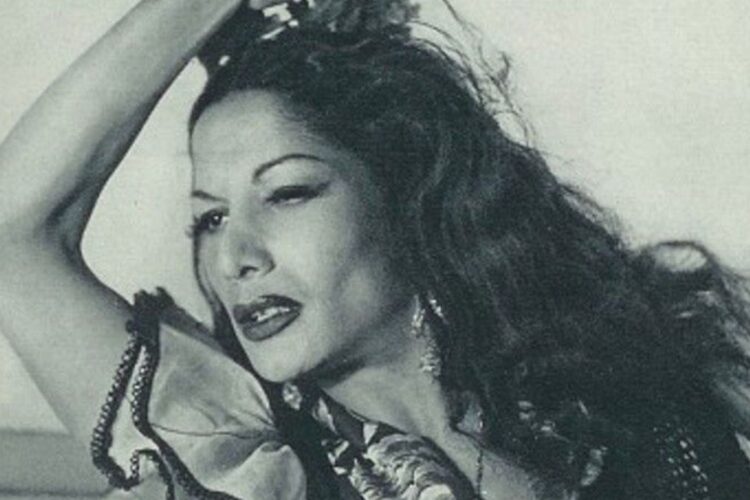
There are dancers and there are earthquakes. Carmen Amaya was the second kind. She danced with a force no one expected from a woman of her time, wore trousers when that simply wasn’t done, and pounded the floor as if trying to split it. She changed forever what female flamenco dance meant.
Let’s look at who she was, where she came from and why, more than sixty years after her death, she is still the benchmark.
Who was Carmen Amaya
Carmen Amaya was a Roma dancer, probably the most influential in the history of flamenco. She was born in Barcelona in the early 20th century, into a very poor family, and from there she went on to conquer theatres around the world.
Hers was not the serene elegance expected of women in dance. It was something else: speed, rage, power. A devilish zapateado that until then had been considered men’s territory. To watch her dance was to watch someone break the rules live.
Her origins in Barcelona’s Somorrostro
Carmen grew up in the Somorrostro, the shanty district that stood by Barcelona’s beach. Real poverty. Her father, a guitarist, would take her out as a little girl to dance in bars and taverns to bring something home.
That child who danced for a few coins had a duende that can’t be taught. She soon began to perform, to make a name for herself, and what was survival became a career. From the gutter to the stage, with no stops in between.
Carmen Amaya’s style: force and zapateado
If she is remembered for one thing, it’s how she moved her feet. Her footwork was lightning-fast, sharp, almost impossible to follow with the eye. She danced with an energy that left the audience breathless.
And then there were the trousers. Carmen would take the stage dressed as a man, in trousers and a short jacket, dancing with an air that shattered every mould of what a female dancer “should” do. It wasn’t a calculated provocation: it was simply how she felt the dance. But she opened a door many would walk through after her.
From the Somorrostro to Hollywood: film and tours
Carmen’s fame crossed borders. She toured Europe and America, performed for presidents and stars, and even reached the cinema. She appeared in several films —the most remembered being Los Tarantos— which today are a treasure for watching someone dance who is no longer with us.
At a time when just leaving the neighbourhood was an achievement, she filled theatres in New York and Buenos Aires. She became an ambassador of flamenco around the world long before that was common.
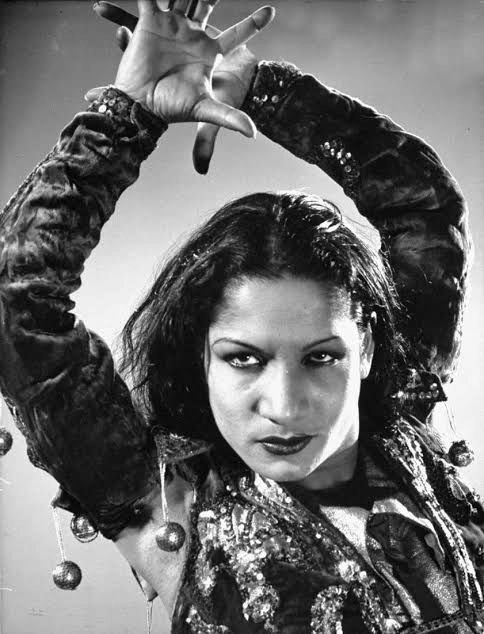
Carmen Amaya, the dancer who revolutionised flamenco.
Her final years and her death
Carmen danced practically until the end. She died young, in the sixties, while still active, leaving a gap no one has filled in the same way. Her funeral drew huge crowds: half of Spain felt that something irreplaceable was gone.
Carmen Amaya’s legacy
Today, any dancer who stamps with force, who dares, who breaks with the expected, is drawing on Carmen Amaya, whether she knows it or not. She paved the way for a freer, more powerful female dance.
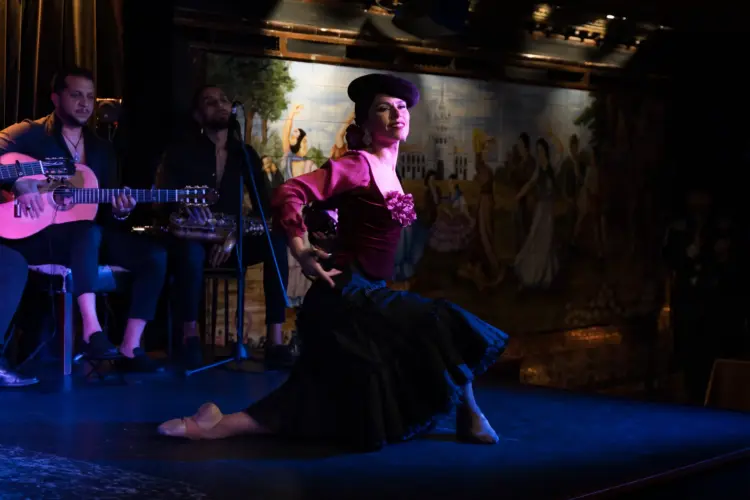
Her memory lives on in the tablaos, which is where you best understand what she stood for: real flamenco, the flamenco of force and emotion just a couple of metres away. At Tablao Flamenco 1911 that dance beats every night. If you want to feel it up close, come to our flamenco show in Madrid and discover it live.
Frequently asked questions
Why is Carmen Amaya so important? Because she revolutionised female flamenco dance: she introduced a powerful, fast zapateado until then associated with men, danced in trousers and took flamenco to stages all over the world.
Where was Carmen Amaya from? She was born in Barcelona, in the Somorrostro district, into a very humble Roma family.
What films did she appear in? She appeared in several films throughout her career; the best known is Los Tarantos.
Did Carmen Amaya have children? No, Carmen Amaya had no children: she was never able to conceive. Even so, she adored children and was very close to her nieces and nephews.
Featured posts
Flamenco shows

From 5 to 8 October
El Yiyo: The New Legend of Flamenco
The stage welcomes a flamenco phenomenon: El Yiyo.
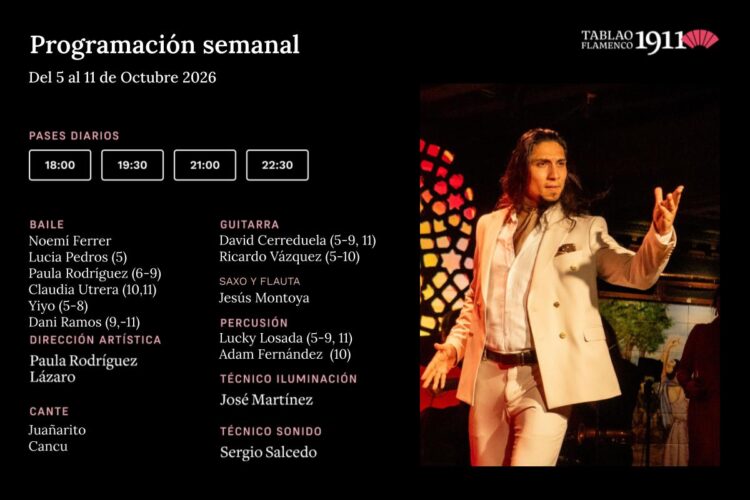
From 5 to 11 October
Flamenco Madrid Daily Show
This week, our flamenco ensemble renews itself to offer you an experience full of nuances and overflowing talent.
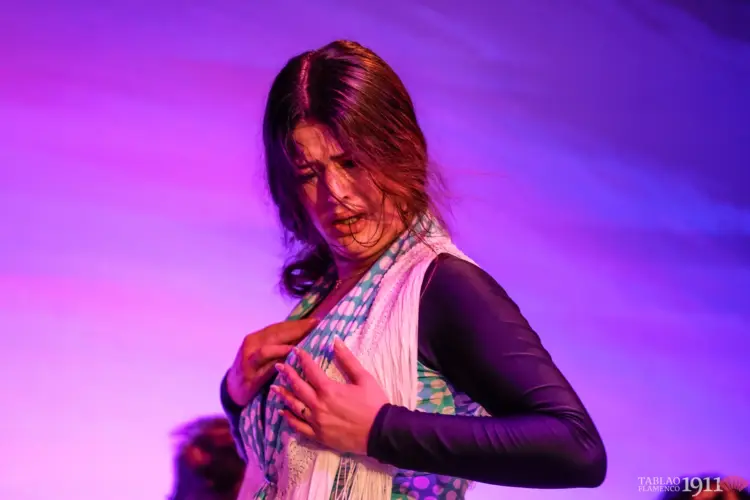
From 5 to 11 October
Noemí Ferrer: The long-awaited return to Tablao Flamenco 1911
The winner of the Villa Rosa Prize returns home. Strength, rhythm, and passion just inches away from you.
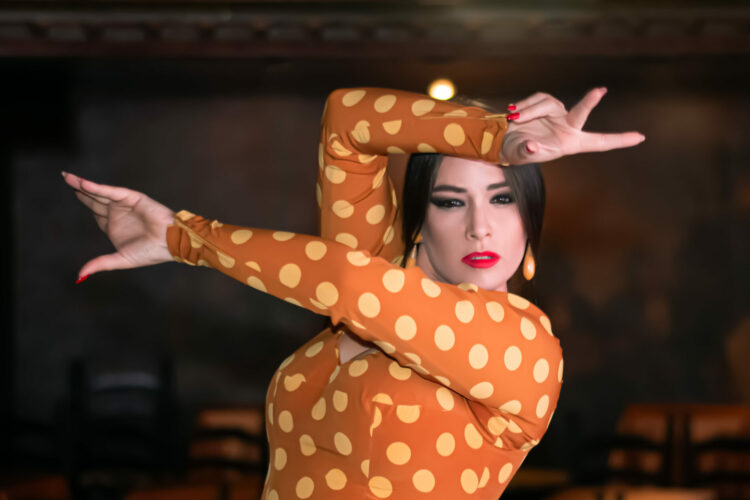
From 6 to 9 October
Paula Rodríguez returns to 1911
Paula Rodríguez, pure passion, strength, and elegance!
From 10 to 11 October
The Old Soul of a New Talent: Claudia de Utrera
We invite you to discover the strength and maturity of Claudia de Utrera, a dancer who proves that art