Camarón de la Isla: the singer who revolutionized flamenco
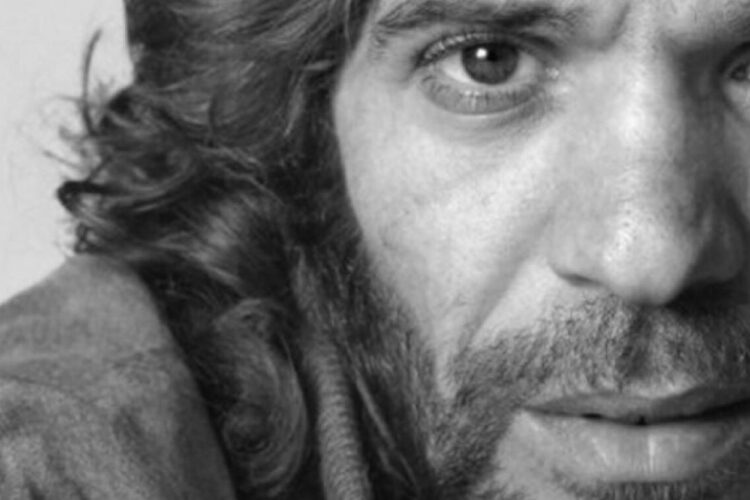
Every 2 July, flamenco pauses for a moment to remember. On that day in 1992 the voice of Camarón de la Isla fell silent, and there has been none like it since. More than three decades on, his name rings out with the same force, perhaps more. Because Camarón was not just an extraordinary cantaor: he was the man who took traditional flamenco and pushed it somewhere no one had taken it before.
Who was Camarón de la Isla
Behind the nickname there was a name: José Monje Cruz. He was born on 5 December 1950 in San Fernando, the old Isla de León, in Cádiz. That is where “de la Isla” comes from. As for “Camarón” (shrimp), an uncle gave it to him as a boy, for how fair and thin he was.
He came from a humble Roma family, between his father’s forge and his mother’s singing. He sang from a very young age, and it soon became clear this was no ordinary gift. His first real stage was the Venta de Vargas, in San Fernando. Then came the move to Madrid: the Torres Bermejas tablao, where he sang season after season for years. That schooling —the live tablao, night after night— made him the cantaor he became, and it is the same root from which the cante jondo we hear today springs.
Camarón and Paco de Lucía: the duo that changed everything
And then Paco appeared. The meeting of Camarón and Paco de Lucía is one of those things that happen once in a very long while: two young geniuses understanding each other without words. They began recording together in the late sixties, and out of it came a series of albums that are pure history today.
What they did was not playing and singing at the same time. It was a dialogue. The guitar asked, the voice answered. That chemistry raised the bar for what could be done with a guitar and a voice.
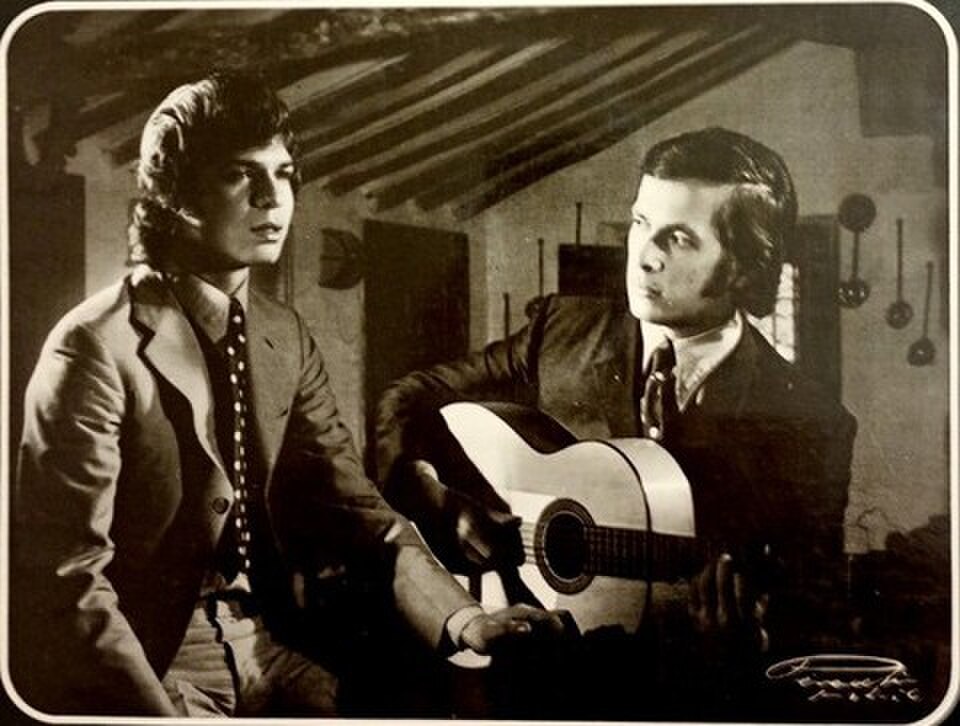
Camarón de la Isla and Paco de Lucía around 1969. Photo: Pérez de León
La leyenda del tiempo: the breaking point
In 1979 Camarón did something many never forgave him for. He released La leyenda del tiempo, an album with lyrics by Lorca, electric guitars, bass, drums, rock and jazz. Flamenco, yes, but like nothing ever heard before. They say the first vinyls were returned to the shops.
And yet, over the years it became one of the most influential works in Spanish music. What looked like a betrayal was a doorway: Camarón had shown flamenco that it could breathe new air without ceasing to be flamenco.
Camarón’s essential songs
In the eighties, the guitarist Tomatito became his faithful shadow. From those years comes Soy gitano (1989), recorded with a symphony orchestra and one of his best-selling albums. If you want to start listening to him, these tracks are a must:
- “La leyenda del tiempo”. The track that gives its name to that groundbreaking album, with verses by Lorca. If you can only hear one, make it this.
- “Volando voy”. A rumba written by Kiko Veneno that became an anthem. Camarón’s brightest side.
- “Como el agua”. Tangos alongside Paco de Lucía and a very young Tomatito. Three geniuses at their purest.
- “Nana del caballo grande”. Another Lorca text, with a depth that gives you goosebumps.
- “Soy gitano”. The track that gave its title to his album with orchestra, one of his most celebrated recordings.
His life has also reached the screen, with a biopic and a documentary about his figure.
How did Camarón de la Isla die?
Camarón died on 2 July 1992, in Badalona, of lung cancer. He was only 41. San Fernando took to the streets to say goodbye: thousands of people in mourning that all of Spain felt as something personal. He is buried in the cemetery of his home town, where his grave is still a place of pilgrimage for aficionados. From then on the myth began: reissues, tributes, walls painted with his face.
Camarón’s legacy and where to feel it live
Ask any young cantaor today where they come from and, sooner or later, his name comes up. Camarón changed the way we understand cante: the freedom to take risks, the phrasing, the mixing without hang-ups. His voice still plays for people who weren’t even born when he died. That is what legend means: it never expires.
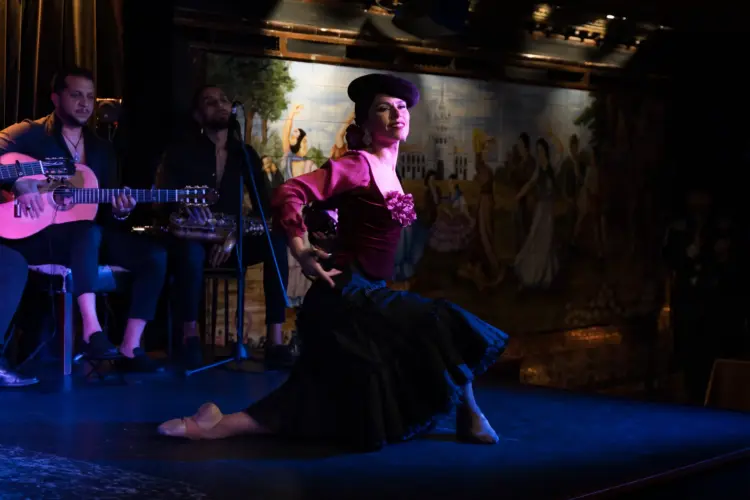
Camarón has to be heard, but flamenco is truly felt live, with the tablao’s wood creaking under the zapateado and the quejío just a couple of metres away. At Tablao Flamenco 1911 we keep that flame alive every night: take a look at our flamenco shows in Madrid and come feel why this art grips you forever.
Featured posts
Flamenco shows

From 5 to 8 October
El Yiyo: The New Legend of Flamenco
The stage welcomes a flamenco phenomenon: El Yiyo.
From 5 to 11 October
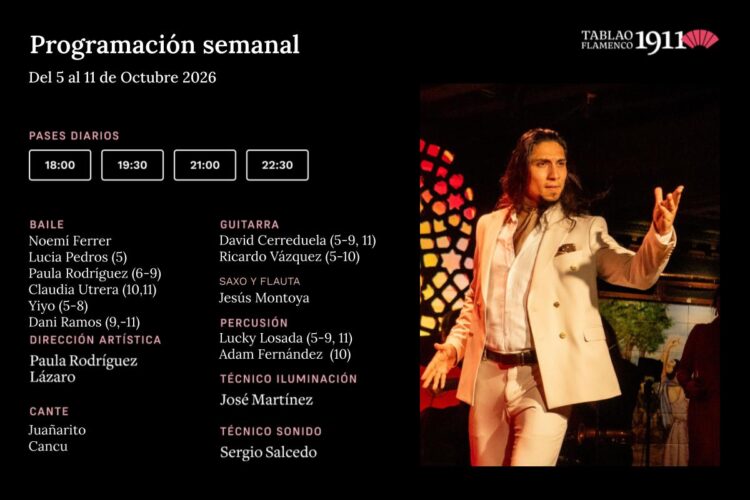
Flamenco Madrid Daily Show
This week, our flamenco ensemble renews itself to offer you an experience full of nuances and overflowing talent.
From 5 to 11 October
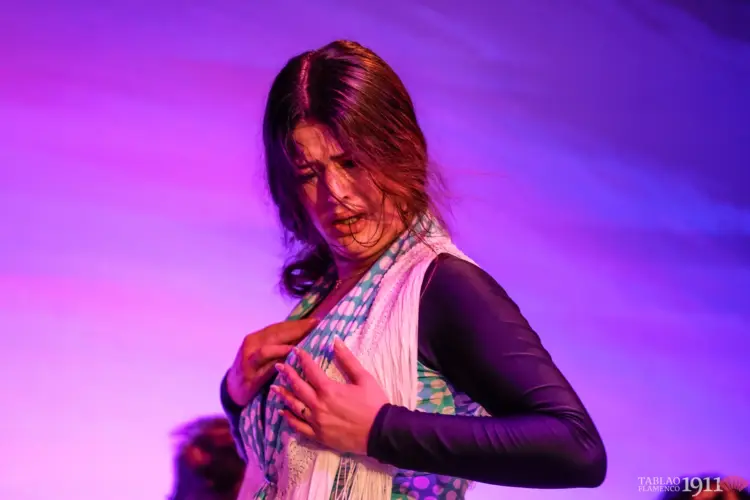
Noemí Ferrer: The long-awaited return to Tablao Flamenco 1911
The winner of the Villa Rosa Prize returns home. Strength, rhythm, and passion just inches away from you.
From 6 to 9 October
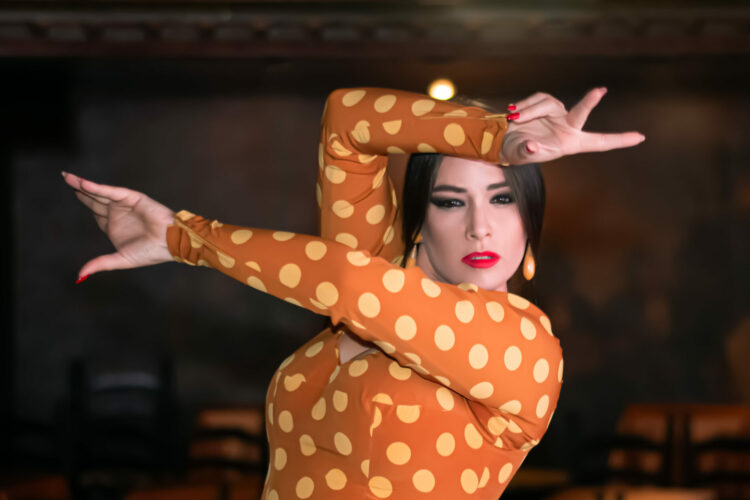
Paula Rodríguez returns to 1911
Paula Rodríguez, pure passion, strength, and elegance!
From 10 to 11 October
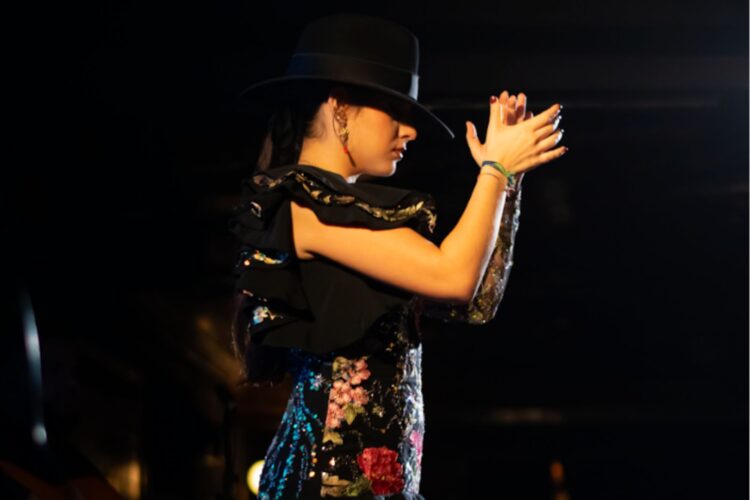
The Old Soul of a New Talent: Claudia de Utrera
We invite you to discover the strength and maturity of Claudia de Utrera, a dancer who proves that art