The flamenco peineta: history, meaning and how it’s worn
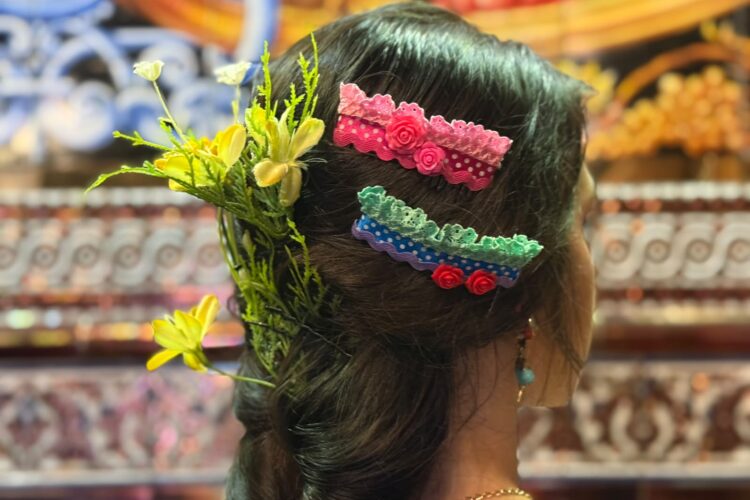
Few accessories say so much with so little. The peineta lifts the hairstyle, holds the mantilla and crowns whoever wears it with an air that doesn’t go unnoticed. It’s pure character placed on the head.
Let’s look at what it is, where it comes from, how it pairs with the flower and when it’s really worn, with no extra frills.
What the flamenco peineta is
The peineta is an ornamental comb, curved and tall, placed at the top or back of the bun. Its purpose isn’t only to decorate: it serves to hold the hair and support the mantilla, giving it height and flair.
Its roots go back to the Spain of centuries ago, tied to the mantilla, that veil that needed something to keep it in place. Over time it became an ornament in its own right and moved into the flamenca dress and the feria. The one linked to this world tends to be showy: colourful, carved or covered in fabric matching the dress. There are small, discreet ones and large, spectacular ones, from the classic golden peineta to acetate versions.
Peineta and flower: how to combine them
Here’s one of the most common questions: how to wear the peineta and the flower together without them clashing. The rule that works best is simple: one leads and the other follows.
If the peineta is large and the star, the flower goes more discreet, to one side. If the flower is the centre of the hairstyle, choose a more sober peineta. What matters is balance: let the head have strength, but not look like an altar. With the flamenca dress, less is usually more.
How to put on the flamenco peineta
Placing it well is closely tied to the hairstyle. The usual thing is to start from a firm updo —a low or high bun, well secured— as a base. The peineta is then pinned onto it, pushing the teeth into the bun so it stays fixed and doesn’t move as you walk or dance. The flower goes afterwards, on the opposite side to the parting or beside the base of the peineta.
An honest tip: if it’s your first time, practise at home before the big day. A well-placed peineta lasts for hours; a badly placed one falls off at the first sevillana.
The handmade peineta: a second life for the dress
Behind every peineta there can be a story. At Tablao Flamenco 1911 we like ours to be born from the offcuts of our favourite flamenca dresses: fabrics that already lived on stage and that, instead of being lost, find a second life.
The process is pure craft. From dozens of fabrics, one is chosen to set the design and character of the peineta. The fabric is cut carefully, glued by hand onto the base, and the edges are finished until a perfect result is achieved. The final step is the appliqué, that detail that turns each piece into something unique. And so a small offcut ends up transformed into a handmade flamenco peineta, made by hand and with great care. Paula Rodríguez Lázaro shows you in this video:
Peineta, feria and flamenco: when it’s really worn
It’s worth being clear, because there’s confusion. The peineta is queen of the feria, the romería and the flamenca dress, and also of the mantilla during Holy Week or at the bullfights. That’s where it truly shines.
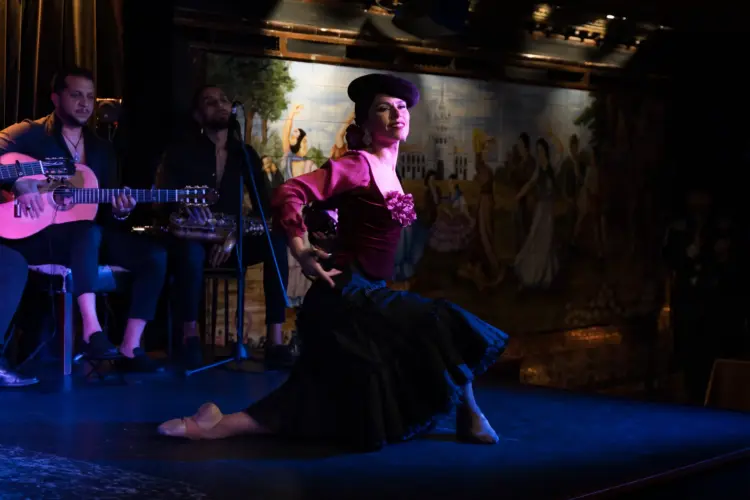
In tablao flamenco dance, however, it doesn’t always appear. The bailaora ties her hair back to dance and often wears a flower, but the large feria peineta isn’t usual on stage, because dancing calls for freedom of movement. Like the shawl or the Cordovan hat, the peineta is part of the flamenco universe, but everything has its moment.
Even so, the image of a woman with peineta and mantilla remains one of the most beautiful in Spanish culture. And seeing it in its element, alongside cante and dance, is priceless. If you want to experience flamenco in its home, come to our flamenco show in Madrid and feel it up close.
Featured posts
Flamenco shows
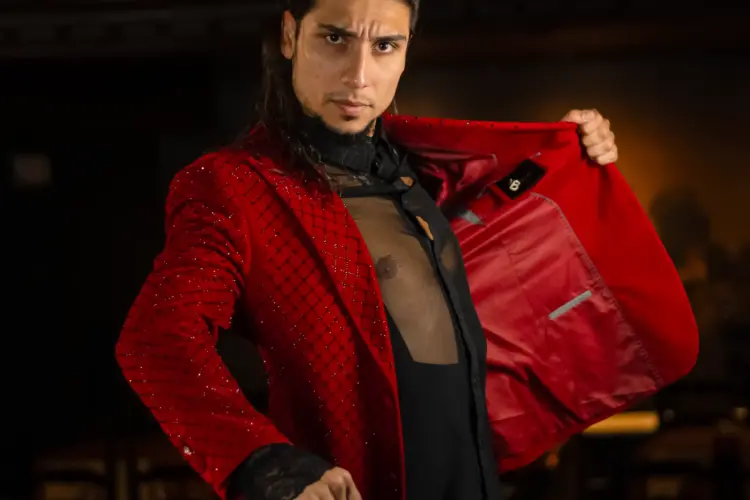
From 5 to 8 October
El Yiyo: The New Legend of Flamenco
The stage welcomes a flamenco phenomenon: El Yiyo.
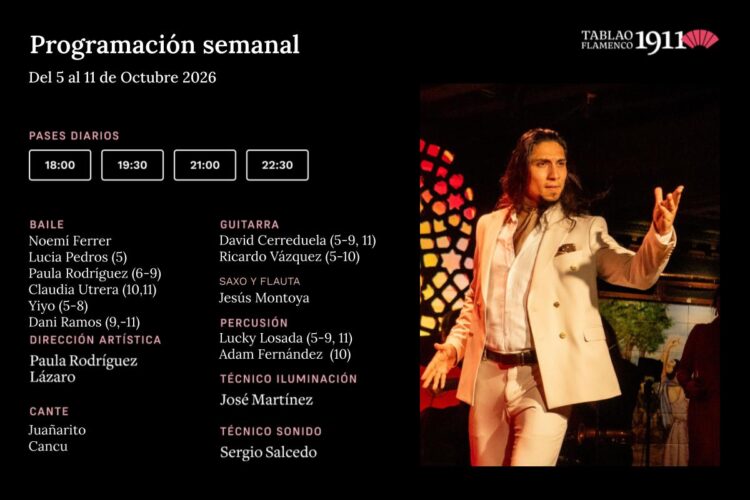
From 5 to 11 October
Flamenco Madrid Daily Show
This week, our flamenco ensemble renews itself to offer you an experience full of nuances and overflowing talent.
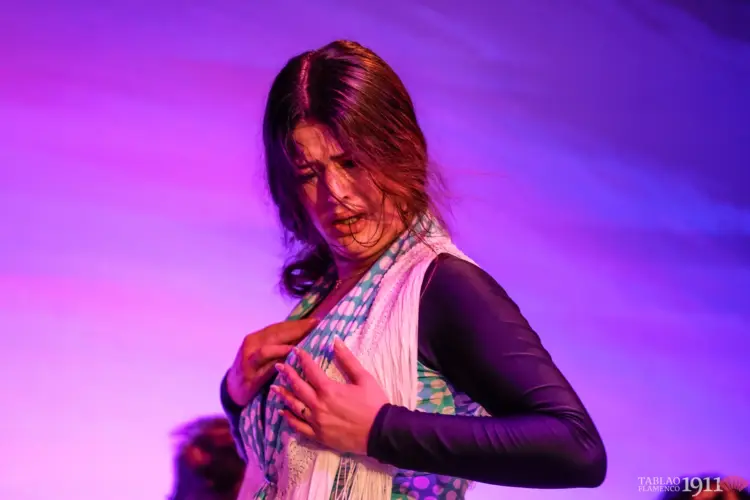
From 5 to 11 October
Noemí Ferrer: The long-awaited return to Tablao Flamenco 1911
The winner of the Villa Rosa Prize returns home. Strength, rhythm, and passion just inches away from you.
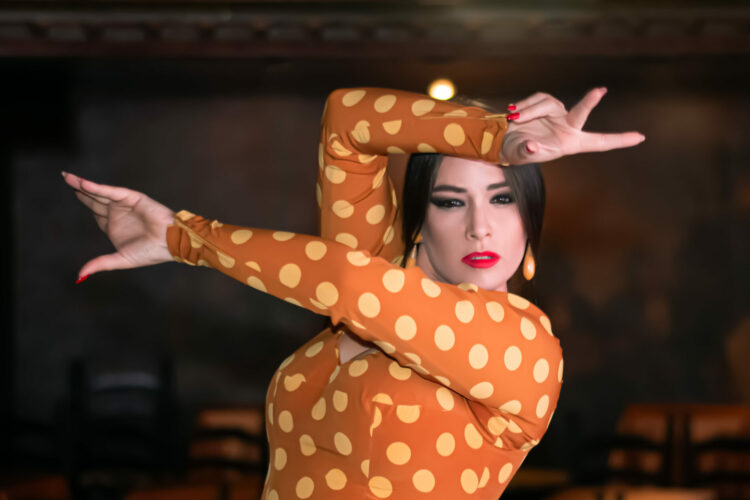
From 6 to 9 October
Paula Rodríguez returns to 1911
Paula Rodríguez, pure passion, strength, and elegance!
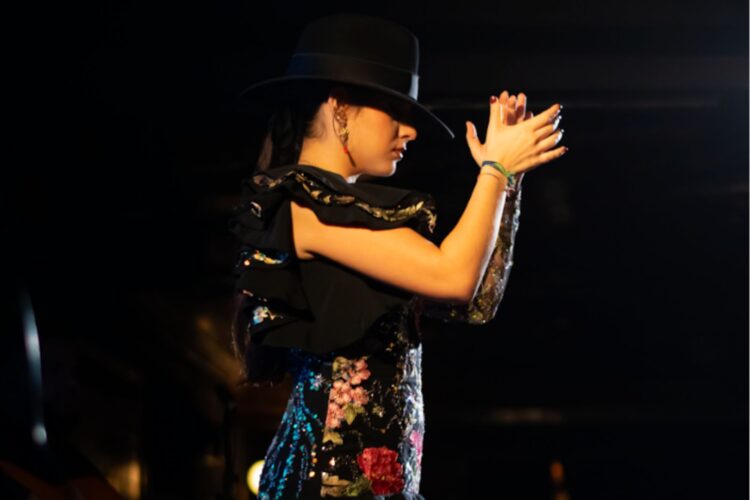
From 10 to 11 October
The Old Soul of a New Talent: Claudia de Utrera
We invite you to discover the strength and maturity of Claudia de Utrera, a dancer who proves that art