Flamenco fandangos: origin, types, and evolution of the cante
If you seek to understand the true essence of arte jondo, you must flee from clichés and look towards the styles born from the people. We are often asked what fandangos are; the answer demands historical rigor. The fandango is, in its own right, the exact bridge between popular street folklore and the solemnity and technical demands of the flamenco stage.
The origin of the fandangos: from popular to flamenco
To understand the magnitude of this cante, we must look at the facts. The origin of the fandango dates back several centuries, with roots that experts place in the mixture of ancient Moorish dances and the intense cultural exchange with America. In its beginnings (around the 18th century), it was a courtship dance, a sensual and festive dance performed in pairs and usually accompanied by castanets.
However, it was in Andalusia where this folkloric tune underwent a radical transformation. The cantaores (singers) began to slow down its rhythm, endowing it with an emotional depth and heartbreak that it did not possess before. Thanks to this evolution, it ceased to be a simple party tune to establish itself as one of the most respected flamenco palos.
Types of flamenco fandangos
One of the characteristics that make this genre fascinating is its immense variety. If we analyze the types of fandangos, academia divides them into two main branches.
- On the one hand, we have the local or rhythmic fandangos (such as abandolaos or verdiales), which maintain the traditional 3/4 time signature and are strongly tied to their geography of origin (Lucena, Málaga, Granada, or Almería).
- On the other hand, we find the ultimate expression of interpretive freedom: the natural flamenco fandango. In this style, the singer strips away the rigidity of the beat and sings in a “free” manner. It is the performer who lengthens the verses at will, forcing the guitar to follow, wait, and support them. It is not a song for amateurs; it demands exceptional lung power and transmission capacity.
Fandangos de Huelva
Within the rhythmic variants, the fandangos de Huelva deserve a separate chapter. They are the undisputed kings of the rhythmic fandango. The province of Huelva, with Alosno as its main cradle, is an anthropological treasure that houses dozens of its own styles. Each possesses precise nuances in the melody and in the characteristic strumming of the guitar. It is a brave, rhythmic, and deeply identity-driven song.
Characteristics of singing por fandangos
The credibility of flamenco also lies in its strict mathematical architecture. From a literary point of view, the fandango stanza consists of five octosyllabic verses. However, at the time of vocal execution, the singer strategically repeats one of those verses to square the six musical phrases required by the guitar accompaniment.
If you decide to delve into the different flamenco palos, you will discover a fundamental fact: this six-verse structure of the fandango is the foundation from which other major styles of arte jondo draw and derive, such as malagueñas, granaínas, or tarantas.
Great figures of the fandango
The history of this palo has been built through the talent and bravery of those who dared to take it beyond its local origin. Figures like Paco Toronjo set the definitive standard in Huelva, giving his singing an unmatched rawness and a truth that still resonates.
During the so-called “Golden Age,” the phenomenon of “personal fandangos” emerged. Masters of the stature of Tomás Pavón, El Niño Gloria, Antonio Mairena, Vallejo, or Camarón de la Isla himself created their own styles. They proved that the fandango allows for almost absolute creative freedom, as long as its roots are respected.
Why are fandangos key in flamenco?
The fandango represents the perfect balance between the accessibility of a popular melody and the extreme demands of its professional execution. It is a living song that allows the artist to emotionally undress in front of the audience and demonstrate their mastery of time and silence.
To truly appreciate the echo, the vibration of the wood, and the breathing that this palo demands, studio recordings will never be enough. The natural place for this dialogue between the throat and the guitar is the stage of a flamenco tablao, where tradition and purity are demonstrated every night just a few meters from the audience.
Featured posts
Flamenco shows

From 13 to 18 October
José Maya on stage at Tablao Flamenco 1911
This week, one of the most powerful names in contemporary flamenco shines once again on our stage: José Maya.
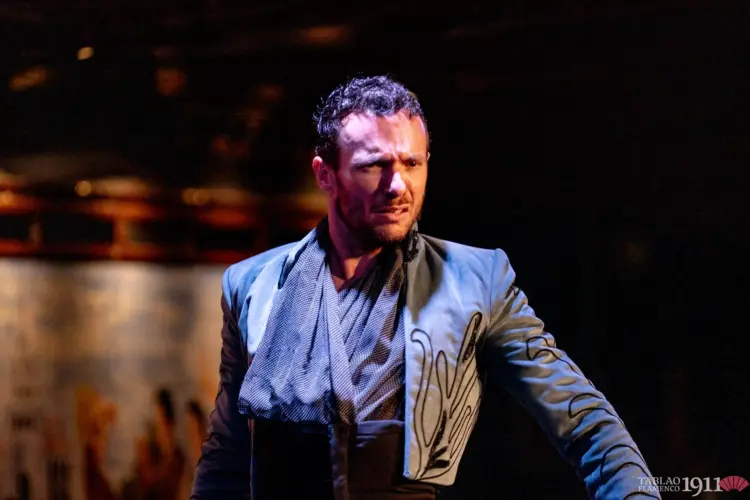
12 October
Juan Carlos Avecilla: the force of Cádiz in the Cathedral of Flamenco
Only the greats set foot on the oldest stage in the world. The force of Cádiz in Juan Carlos Avecilla, just a couple of metres from you.
From 12 to 18 October
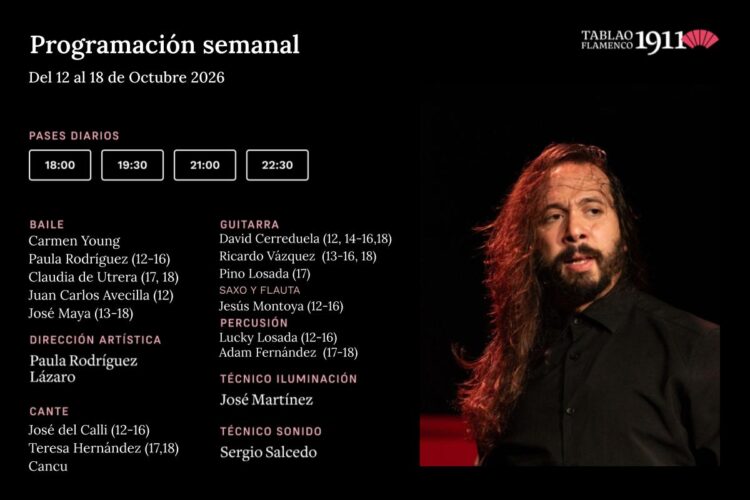
Flamenco Madrid Daily Show
This week, our flamenco ensemble renews itself to offer you an experience full of nuances and overflowing talent.
From 12 to 18 October
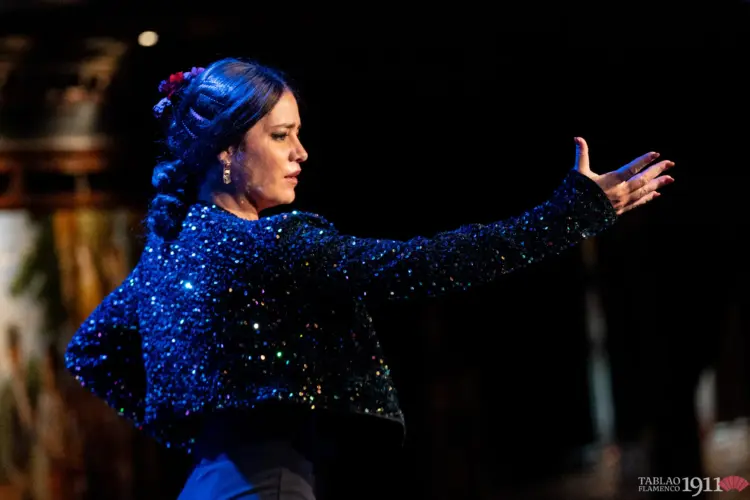
Carmen Young: elegance turned into dance at Tablao 1911
She crossed an ocean to learn to dance flamenco. Today she dances it with an elegance that can't be taught.
From 12 to 16 October
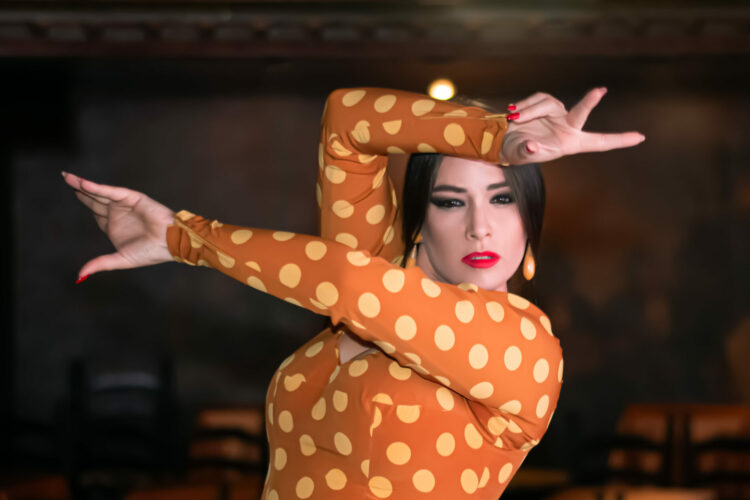
Paula Rodríguez returns to 1911
Paula Rodríguez, pure passion, strength, and elegance!
From 17 to 18 October
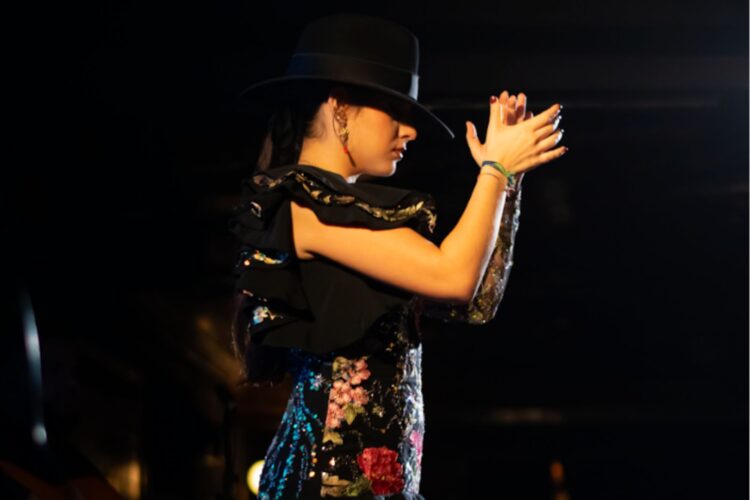
The Old Soul of a New Talent: Claudia de Utrera
We invite you to discover the strength and maturity of Claudia de Utrera, a dancer who proves that art