Paco de Lucía: the guitarist who took flamenco to the world
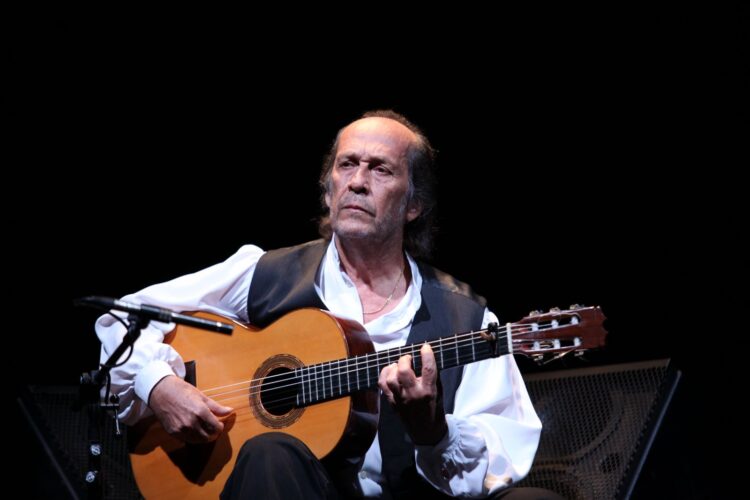
Before him, the flamenco guitar accompanied. After him, the flamenco guitar spoke for itself. Paco de Lucía is the artist who took flamenco out of the courtyards and put it in concert halls around the world, without giving up what it was.
Let’s look at who he was, where he came from, why «Entre dos aguas» changed everything and what he left behind when he went.
Who Paco de Lucía was
Paco de Lucía was really called Francisco Gustavo Sánchez Gómez, and he was the most influential flamenco guitarist in history. His technique was staggering, but the important thing wasn’t speed: it was that he understood flamenco from the inside and from there he dared to open it up.
He played with jazz musicians, recorded classical concertos, toured America and Japan. And every time he came back to a flamenco festival, he still sounded like Algeciras.
His origins in Algeciras
He was born in Algeciras in 1947, into a humble family where the guitar was the family trade. His father, Antonio Sánchez, put one in his hands as a small boy and taught him the fundamentals; his brothers Pepe de Lucía on cante and Ramón de Algeciras on guitar were his first companions.
He left school as a child to shut himself away and practise. He himself said he came to practise between ten and fourteen hours a day. Two things came out of those years that he never lost: brutal discipline and the compás of the Bay.
«Entre dos aguas»: the piece that changed everything
In 1973 he released Fuente y caudal, and inside was an instrumental rumba nobody expected to be a hit. In fact, it was recorded almost by chance, to fill up the record, and ended up reaching number one in sales in Spain: it played on the radio, it was recognised by people who had never listened to flamenco in their lives, and it is still the gateway into the genre for thousands.
Its charm lies in what it does with the guitar in flamenco: a melody anyone can whistle, held up by a compás only a flamenco can place. His whole formula is right there.
If you’d like to hear it alongside other essential pieces of his, here is our selection:
Camarón and Paco de Lucía: the pair who changed flamenco
What Paco had with Camarón de la Isla was one of those coincidences history is grateful for. They met young, recorded a series of albums together and between the two of them they built modern flamenco: one from the voice, the other from the strings.
To hear them together is to understand why the flamenco of the seventies was an earthquake. They pushed each other. They challenged each other. And the result is still unsurpassed.
His legacy on the flamenco guitar
Paco changed the way flamenco is played and also the way it sounds. He brought the Peruvian cajón into flamenco, formed a sextet with instruments that had no business here before, and proved you could hold a conversation with jazz without ceasing to be jondo.
His influence leapt beyond flamenco. A phrase attributed to Mark Knopfler sums it up: «I thought I knew how to play the guitar until I heard Paco de Lucía».
Today every flamenco guitarist, without exception, plays after Paco. They may resemble him more or less, but they can no longer ignore him. That is what changing an art form means.
His death and his memory
He died on 25 February 2014 in Playa del Carmen (Mexico), where he was living his final months, of a heart attack and aged only 66. The news stopped the flamenco world in its tracks. His funeral in Algeciras, where he rests beside his parents, drew huge crowds.
His music, on the other hand, hasn’t gone anywhere: it’s still listened to, studied and copied every day.
Frequently asked questions
Where was Paco de Lucía born? He was born on 21 December 1947 in Algeciras, in the province of Cádiz.
What did Paco de Lucía die of? He died on 25 February 2014 in Playa del Carmen (Mexico) of an acute myocardial infarction, aged 66.
How many children did Paco de Lucía have? He had five children: three from his marriage to Casilda Varela (Casilda, Lucía and Francisco «Curro») and two with Gabriela Canseco (Antonia and Diego).
Is Malú Paco de Lucía’s daughter? No, she is his niece: Malú (María Lucía Sánchez Benítez) is the daughter of the singer Pepe de Lucía, Paco’s brother. It’s a very common confusion. Uncle and niece did record together: Paco played guitar on «Te amo por eso», from the live album Por una vez (2004).
Listening to Paco is only the beginning. Feeling a flamenco guitar a couple of metres away, with the soundbox resonating in your chest, is another thing entirely. If you want to live it, get your tickets to see flamenco in Madrid and find out for yourself.
Featured posts
Flamenco shows
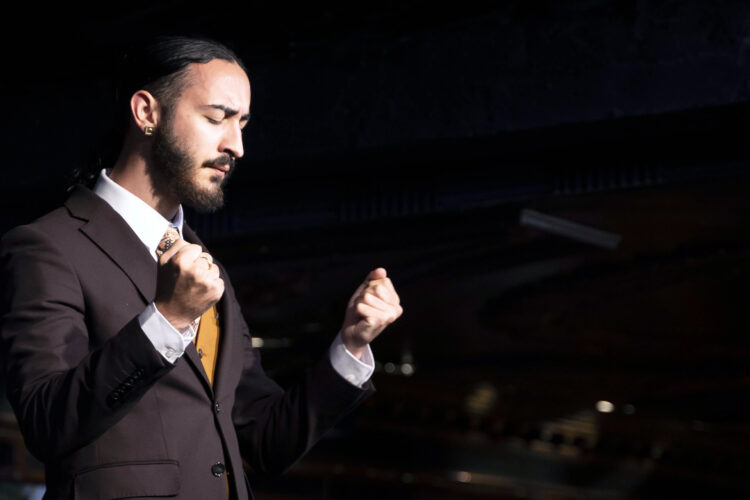
From 19 to 25 October
José Escarpín and his Guinness World Record at Tablao Flamenco 1911
The Guinness World Record of flamenco arrives at the oldest flamenco tablao in the world: Tablao Flamenco 1911.
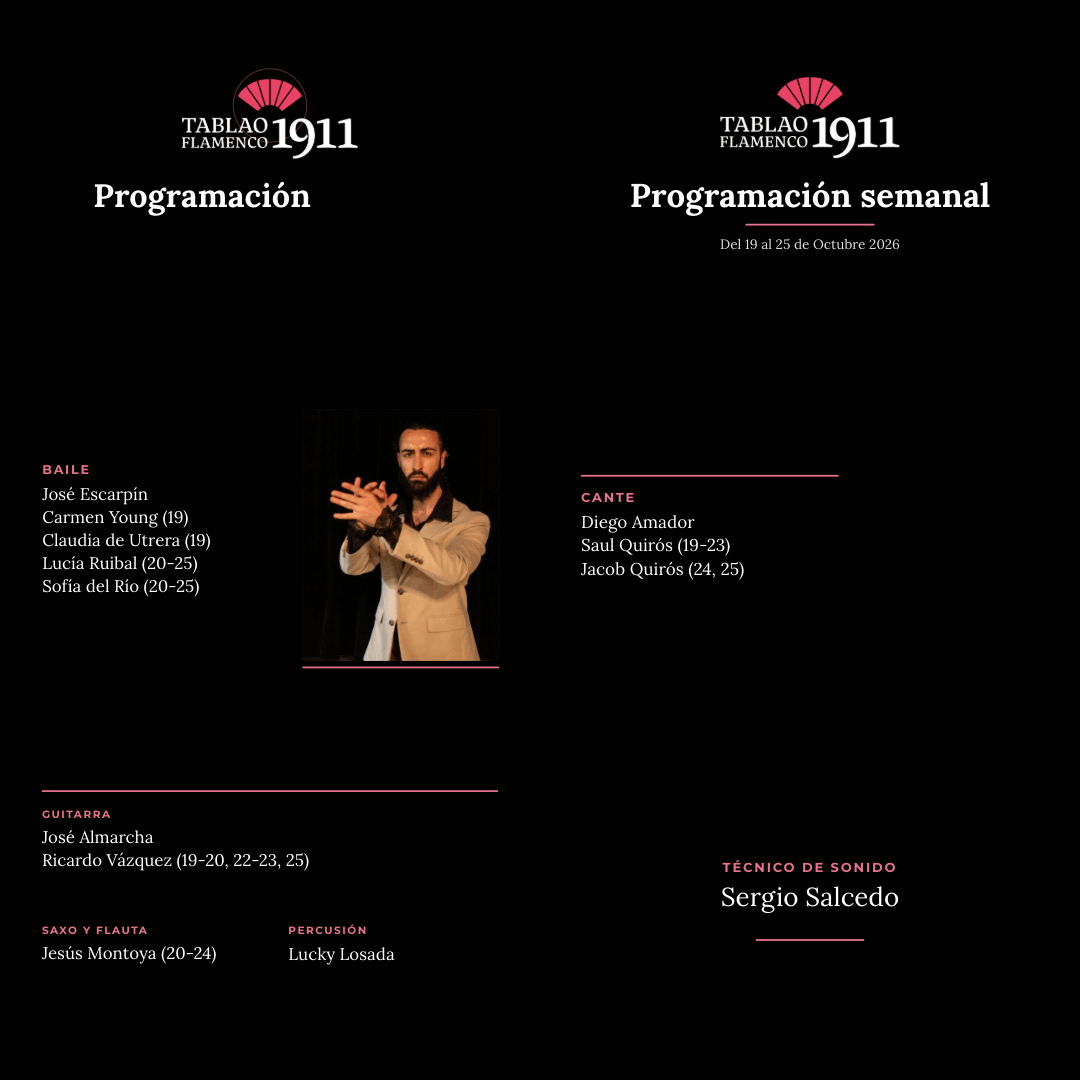
From 19 to 25 October
Flamenco Madrid Daily Show
This week, our flamenco ensemble renews itself to offer you an experience full of nuances and overflowing talent.
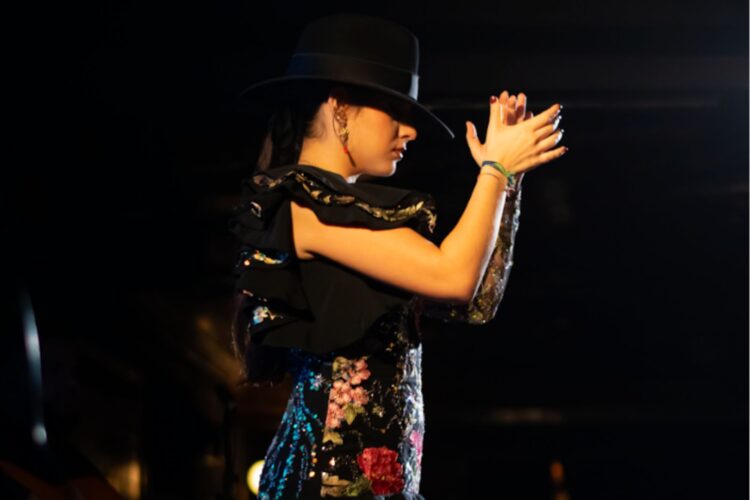
19 October
The Old Soul of a New Talent: Claudia de Utrera
We invite you to discover the strength and maturity of Claudia de Utrera, a dancer who proves that art
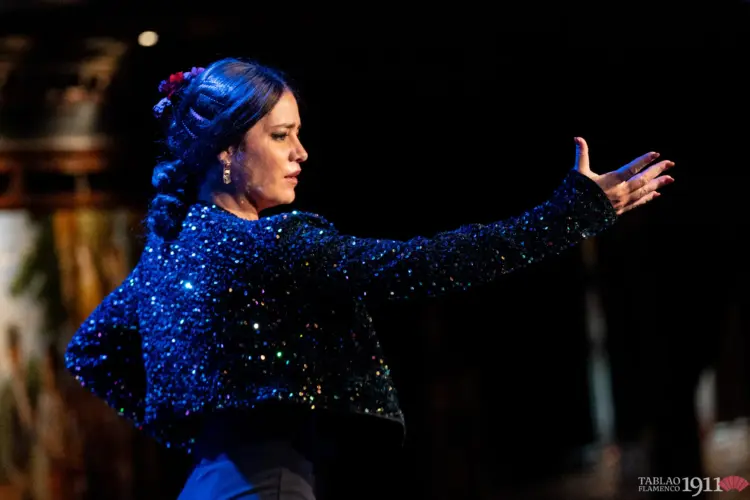
19 October
Carmen Young: elegance turned into dance at Tablao 1911
She crossed an ocean to learn to dance flamenco. Today she dances it with an elegance that can't be taught.