What to Do in the Barrio de las Letras of Madrid: Complete Guide
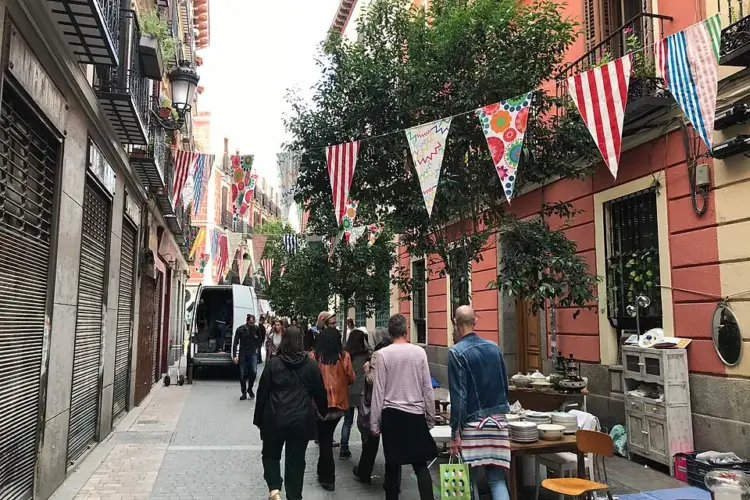
There are areas in Madrid you visit just for the photo. The Barrio de las Letras is one you walk to feel. You don’t need to be a literature expert to sense its magic; all it takes is getting lost in its pedestrian streets and watching the afternoon fade over Plaza de Santa Ana.
This guide gets straight to the point with the essentials, organising your plans from morning to night.
What is the Barrio de las Letras?
It is a cultural quadrilateral in the very heart of the city, tucked between the Paseo del Prado, Calle Atocha and Carrera de San Jerónimo. You can cross it on foot in barely ten minutes, yet it concentrates more tradition and centuries-old taverns than almost anywhere else. If you are looking for real ideas on what to do in the neighbourhood, the route starts here.
History: Lope, Cervantes and the Golden Age
The most brilliant writers of the Spanish Golden Age lived and clashed here during the sixteenth and seventeenth centuries. The street layout hides an irony that defines the neighbourhood’s history: Miguel de Cervantes ended up living on Calle Lope de Vega, while Lope de Vega spent his final years on Calle Cervantes.
Knowing they despised each other, the geography proves that Madrid has a great sense of humour. Other residents such as Quevedo, Góngora and Calderón de la Barca shared these corners, and their verses are still engraved under your feet in the Barrio de las Letras Madrid.
What to see in the Barrio de las Letras
If you are planning your route through the Barrio de las Letras in Madrid, the rule is simple: walk slowly and forget the map. The norm here is to look up and enjoy the old façades and wrought-iron balconies.
The literary quotes on Calle Huertas
This is the backbone of the area — a pedestrian, lively street. Its main attraction lies in the pavement: the ground features bronze lettering reproducing fragments of novels and poems by the neighbourhood’s former residents.
It is a unique way to revisit Spanish literature as you stroll. It is the ideal stretch of the Barrio de las Letras to see at a leisurely pace before it fills up, perfect for finding a good tavern for an aperitif.
The House of Lope de Vega
At number eleven on Calle Cervantes stands the house-museum where the author spent his last twenty-five years — a building that preserves the structure of the seventeenth century.
The guided visit is free (requires prior online booking). It allows you to enter his private study and stroll through the rear orchard. It is an oasis of absolute silence in the very centre, a key stop if you want to know what to see in the Barrio de las Letras de Madrid.
What to do at night in the Barrio de las Letras
As the afternoon fades, the unhurried pace gives way to the lights of the traditional taverns. If you are wondering what to visit in the Barrio de las Letras after dark, the answer is at its bars.
Plaza de Santa Ana is the starting point, presided over by the Teatro Español. The standout here is the Cervecería Alemana, dating from nineteen-oh-four, where Hemingway had his regular table. If you want to discover the true secrets of the Barrio de las Letras Madrid, head down Calle Echegaray to La Venencia: a legendary Jerez wine tavern where photos are strictly forbidden and the bill is chalked up on the bar.
Tablao Flamenco 1911: the perfect finale to your visit
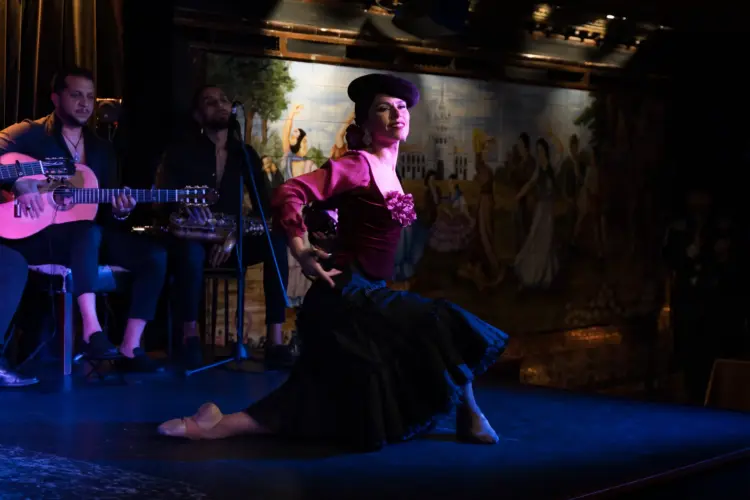
On Plaza de Santa Ana, at number fifteen, you will find Tablao Flamenco 1911. If you are looking for an authentic tablao flamenco in Madrid, this space is a true cultural monument: the oldest in the world still in operation.
Its location makes perfect sense. This neighbourhood was the nucleus where the history of flamenco in Madrid was forged from the nineteenth century onwards, home to the old cafés cantantes that first brought this art form to a professional stage.
Featured posts
Flamenco shows

From 5 to 8 October
El Yiyo: The New Legend of Flamenco
The stage welcomes a flamenco phenomenon: El Yiyo.
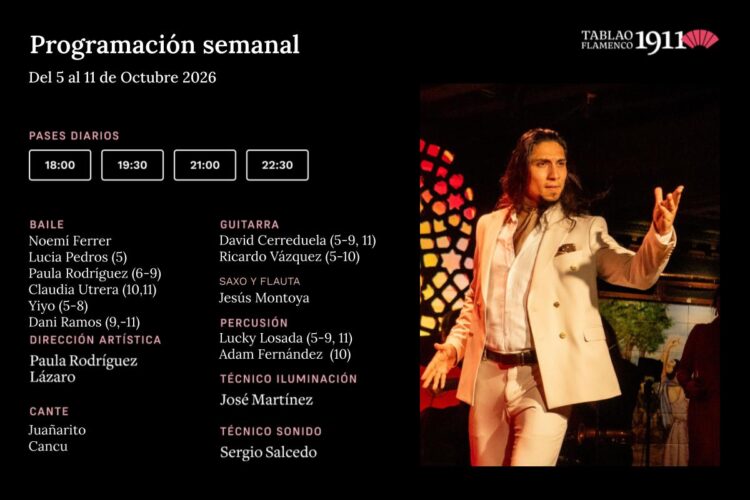
From 5 to 11 October
Flamenco Madrid Daily Show
This week, our flamenco ensemble renews itself to offer you an experience full of nuances and overflowing talent.
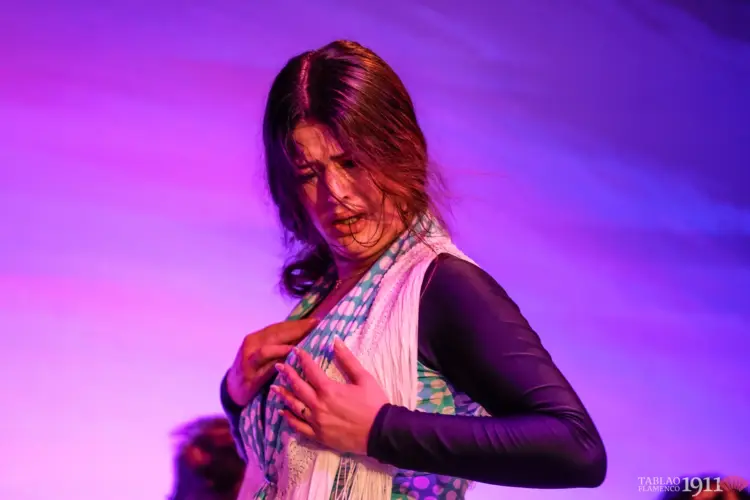
From 5 to 11 October
Noemí Ferrer: The long-awaited return to Tablao Flamenco 1911
The winner of the Villa Rosa Prize returns home. Strength, rhythm, and passion just inches away from you.

From 6 to 9 October
Paula Rodríguez returns to 1911
Paula Rodríguez, pure passion, strength, and elegance!
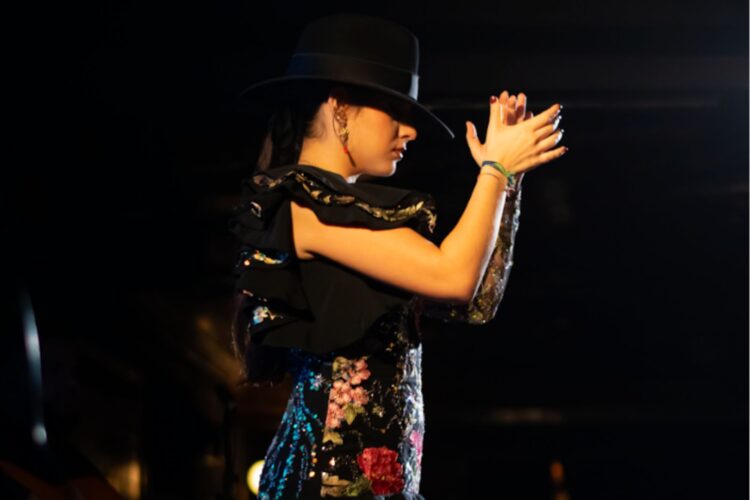
From 10 to 11 October
The Old Soul of a New Talent: Claudia de Utrera
We invite you to discover the strength and maturity of Claudia de Utrera, a dancer who proves that art