Cordobes Hat in Flamenco: History, Use, and Real Meaning
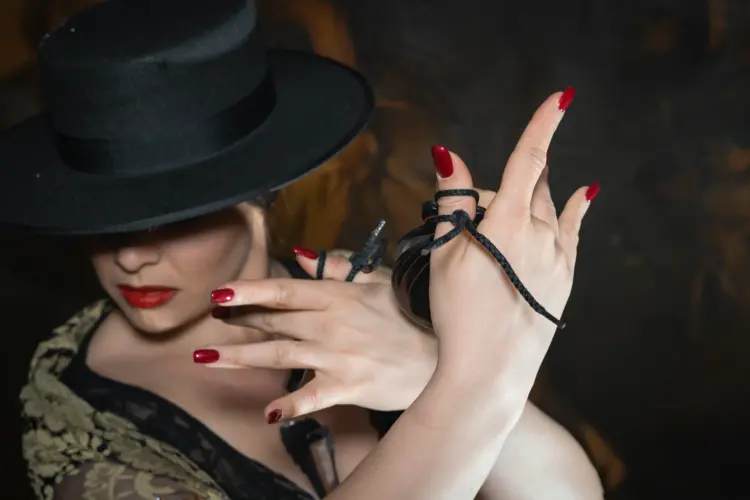
Beyond clichés and easy photography, flamenco demands a precision that admits no disguises. We tend to associate the tablao with the Cordobés hat almost automatically, but its presence in dance has little of ornament and much of rigor. It is necessary to separate the commercial image from the historical reality to understand why, in the hands of a master, this iconic garment is much more than a simple stage accessory.
What is the Cordobés hat and what is its origin?
In the world of flamenco and traditional tailoring, technical details are everything. To understand the meaning of the Cordobés hat, we must analyze its strict architecture: it is a hat made of sheep’s wool felt or rabbit hair. Its design is unmistakable: it has a cylindrical crown between 10 and 12 centimeters and a wide, rigid, and completely flat brim.
Andalusia and the origin of an iconic garment
Spain’s great symbols were never born under theater spotlights. The true origin of the Cordobés hat is found at the end of the 19th century in the Andalusian countryside. It was conceived as a work and survival tool for laborers who needed to protect themselves from the sun and rain during agricultural days.
Over time, its use spread to the equestrian world and, thanks to painters like Julio Romero de Torres, it became the supreme symbol of elegance and identity throughout Andalusia.
Is the Cordobés hat used in flamenco?
Although the international image says otherwise, the truth is that its use is a technical exception reserved for moments of great mastery. Within the key elements of flamenco, the hat occupies a special place as an engine of movement. Far from being a mere costume accessory, it requires millimetric precision.
Its presence in male dance
Historically, this garment has been the ultimate touch of elegance in male flamenco attire. When an artist masters the dance, the garment ceases to be an inert object to transform into a living extension of their own body.
The artist does not limit themselves to wearing a static hat. They play with it: sliding it down the arm, flipping it in the air, and placing it back on their forehead with a precision that is breathtaking. It is worth noting that legends like Carmen Amaya broke the rules by dancing with trousers and a hat.
When is it part of the show and when is it not?
The rigor of the tablao demands knowing when to use each tool. The Cordobés hat shines in the farruca, tientos, tarantos, and especially in the garrotín, where stage play is the soul of the dance.
On the contrary, in deep cantes (like soleá or seguiriya), the bailaor takes the stage bareheaded to face the truth of the rhythm without any artifice.
Flamenco without artifice
A well-handled hat adds magnetism, but what really defines the show is the conjunction between a broken voice, the guitar, and the footwork. We invite you to discover the key elements of flamenco.
Do not settle for imitations. Book your table and feel the strength of live flamenco in a temple where tradition and purity are demonstrated every night.
Featured posts
Flamenco shows
From 5 to 8 October
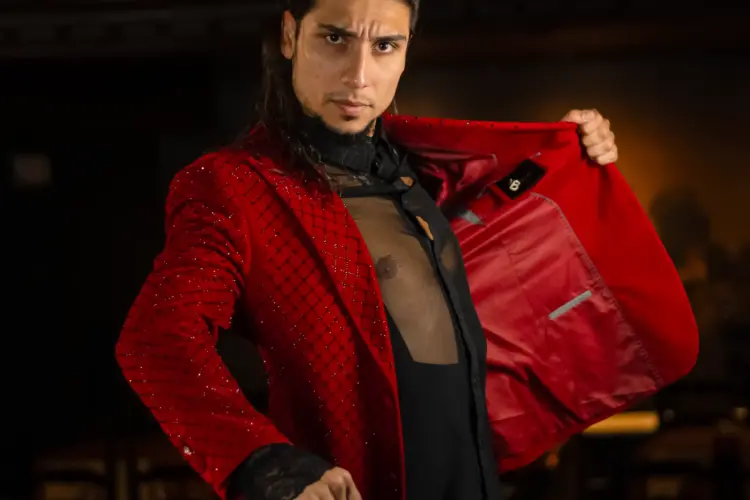
El Yiyo: The New Legend of Flamenco
The stage welcomes a flamenco phenomenon: El Yiyo.
From 5 to 11 October
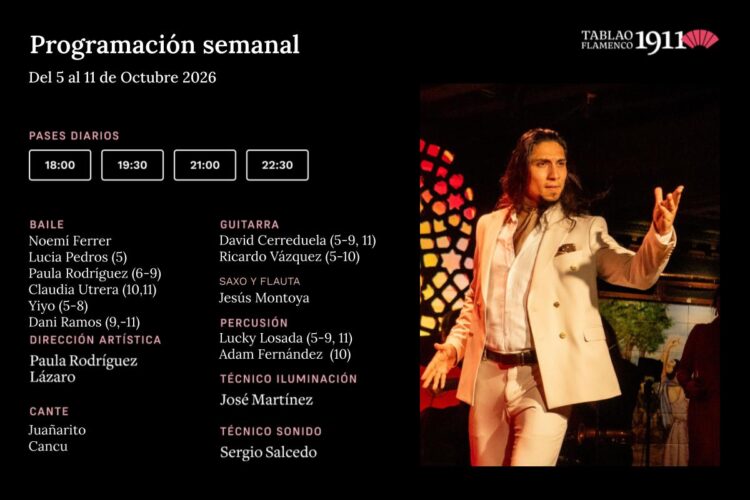
Flamenco Madrid Daily Show
This week, our flamenco ensemble renews itself to offer you an experience full of nuances and overflowing talent.
From 5 to 11 October
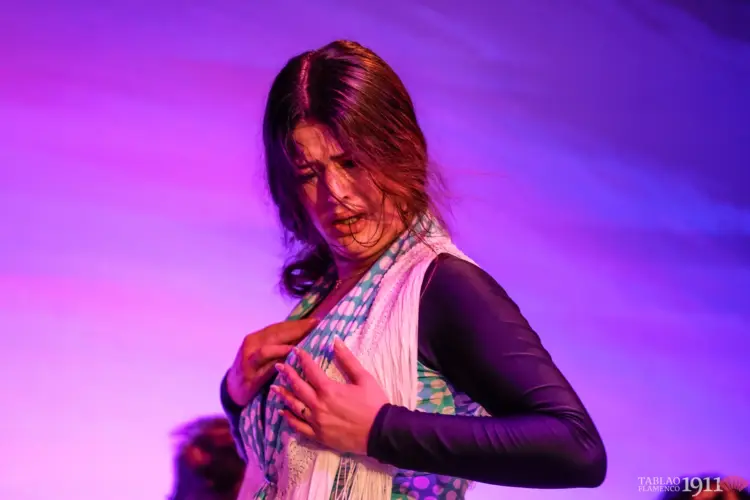
Noemí Ferrer: The long-awaited return to Tablao Flamenco 1911
The winner of the Villa Rosa Prize returns home. Strength, rhythm, and passion just inches away from you.
From 6 to 9 October
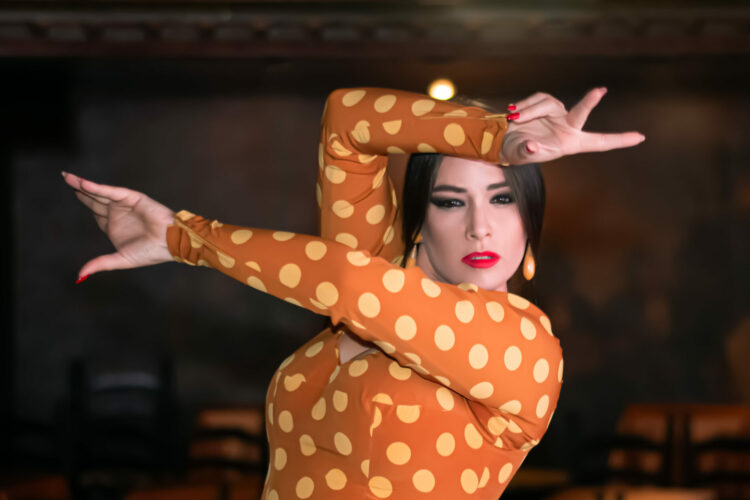
Paula Rodríguez returns to 1911
Paula Rodríguez, pure passion, strength, and elegance!
From 10 to 11 October
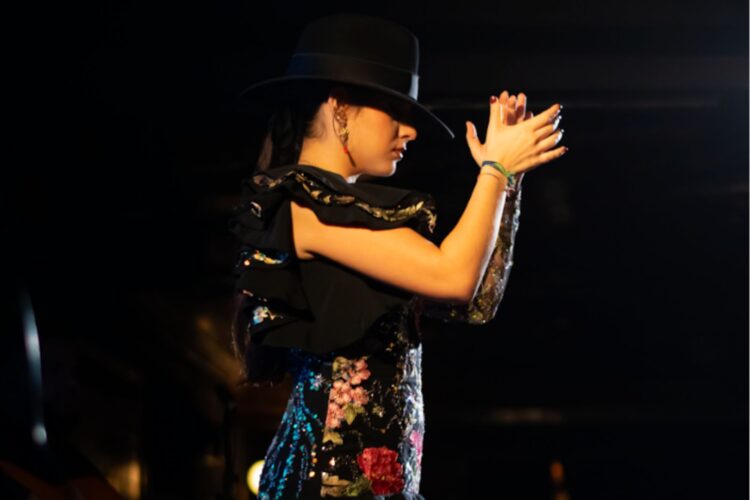
The Old Soul of a New Talent: Claudia de Utrera
We invite you to discover the strength and maturity of Claudia de Utrera, a dancer who proves that art