Tangos
-
What is it?
The Tangos (not to be confused with the Argentine Tango) are one of the styles most associated with the gypsy people and the party, and there are different ways of being sung depending on the locality where they are sung. We can find varieties in Extremadura, Jaen, Malaga, Seville, Cadiz and Granada. In Madrid are characteristic the Tangos of the neighborhood of Caño Roto, from where most of our artists come from. They are characterized by their own rhythm and sound, especially in the guitars, which has been captured in groups such as Las Grecas, Los Chorbos, Los Chichos or Los Chunguitos. A neighborhood in which guitarists like David Jiménez, José Jiménez ‘El Viejín’ or ‘El Entri’ have transmitted their knowledge to great figures of the current flamenco guitar.
-
Why is it used?
Tangos are, together with bulerías and rumbas, the best style to celebrate and party. Whether at a meeting or on stage, this palo has the function of lifting the spectator from his seat and celebrating joys and sorrows.
-
Thematic
The references and themes that we find in these lyrics do not follow a unique model but you will find all kinds of allusions and feelings in the lyrics of tangos. They are short and catchy lyrics that follow one after the other.
-
How is it interpreted?
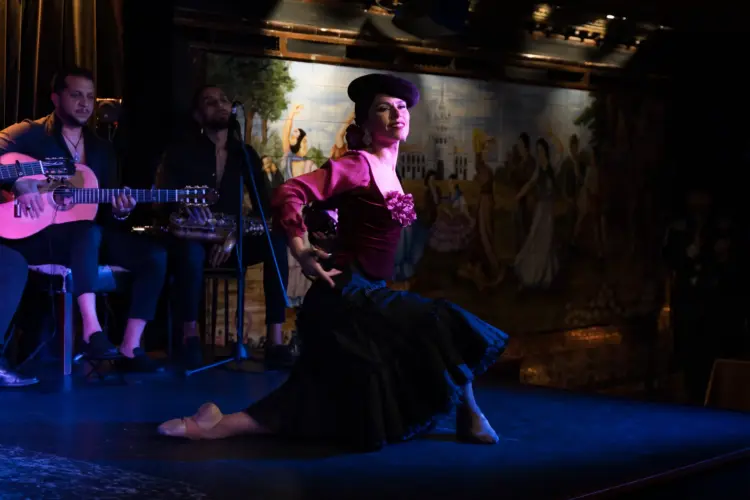
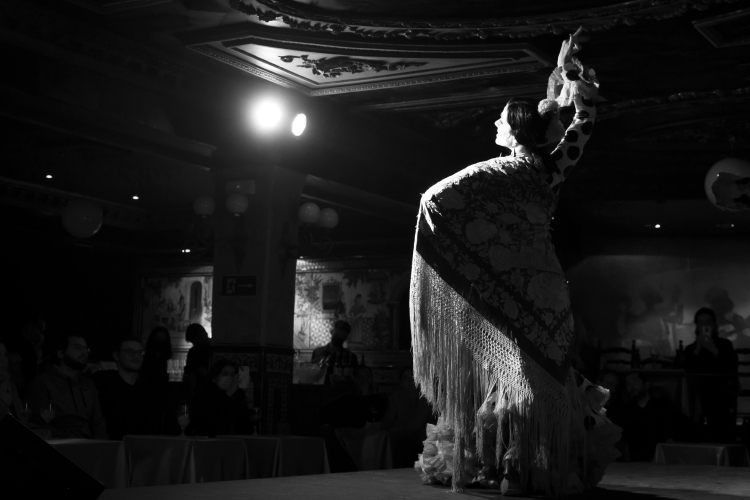
It is a palo (style) that is not usually danced as a main style in the tablao. It is usually found as a second part of other styles such as Tientos or Taranto or as a style to sing in the musical intermission. However, in meetings and parties it is sung and danced in a relaxed way, without attending to a structure or an audience.
The way of dancing this palo is characterized by strength, suggestiveness, movement of the hips and a courting attitude.
-
A bit of history
The different styles of flamenco adhere to the genre progressively. Tango is mainly characterized by its rhythmic pattern, which, according to the latest research, comes from the slaves of Santiago de Cuba. These were developing the pattern at the beginning of the 19th century, arriving in Cadiz under the name of “tango americano”, very different from what we know today as tango flamenco. At this time it was introduced as a number in zarzuela works, acquiring an important fame. Later the tango or “tanguillo” of Cadiz, known today for its use in carnivals, was developed and it was not until the late nineteenth century that it was adapted to the aesthetic and musical codes of the flamenco genre, becoming considered a style well into the twentieth century.
Here are some examples of Tangos
Enjoy!
Featured posts
Flamenco shows
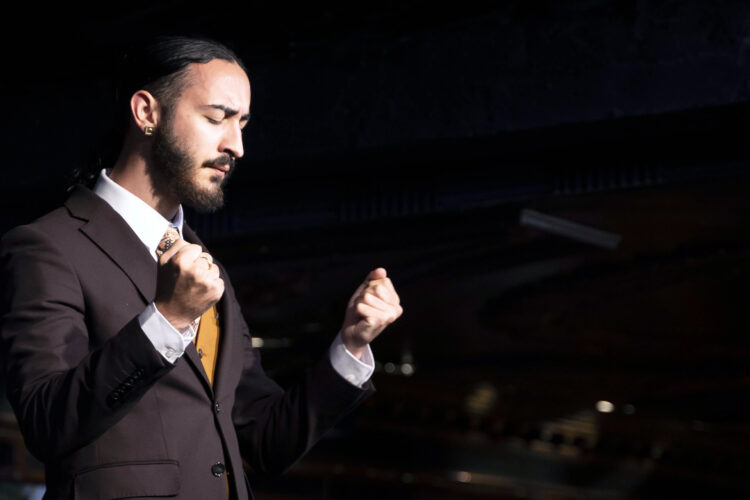
From 19 to 25 October
José Escarpín and his Guinness World Record at Tablao Flamenco 1911
The Guinness World Record of flamenco arrives at the oldest flamenco tablao in the world: Tablao Flamenco 1911.
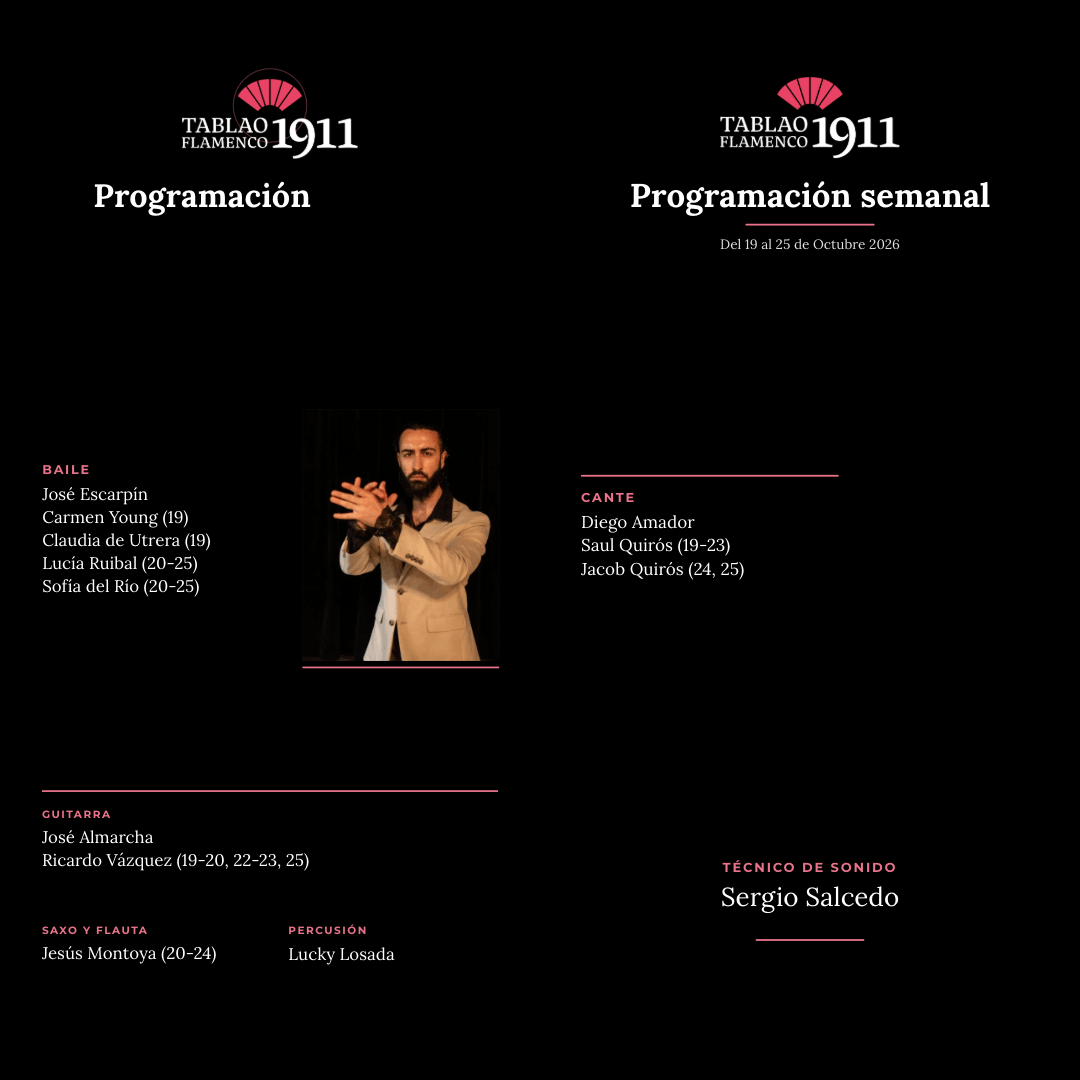
From 19 to 25 October
Flamenco Madrid Daily Show
This week, our flamenco ensemble renews itself to offer you an experience full of nuances and overflowing talent.
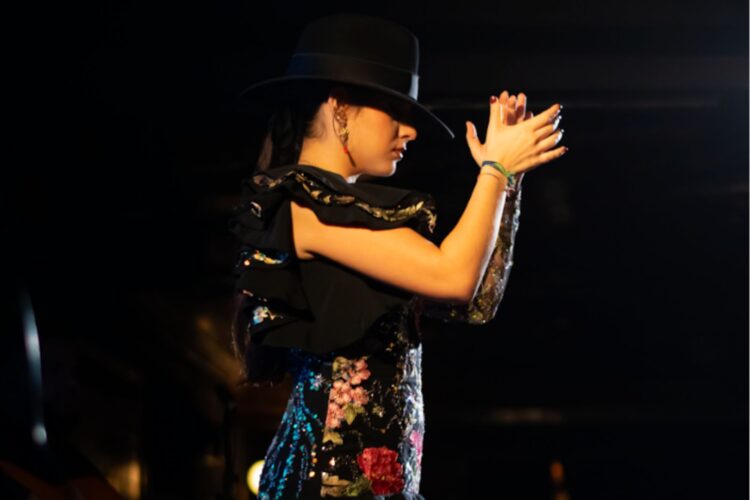
19 October
The Old Soul of a New Talent: Claudia de Utrera
We invite you to discover the strength and maturity of Claudia de Utrera, a dancer who proves that art
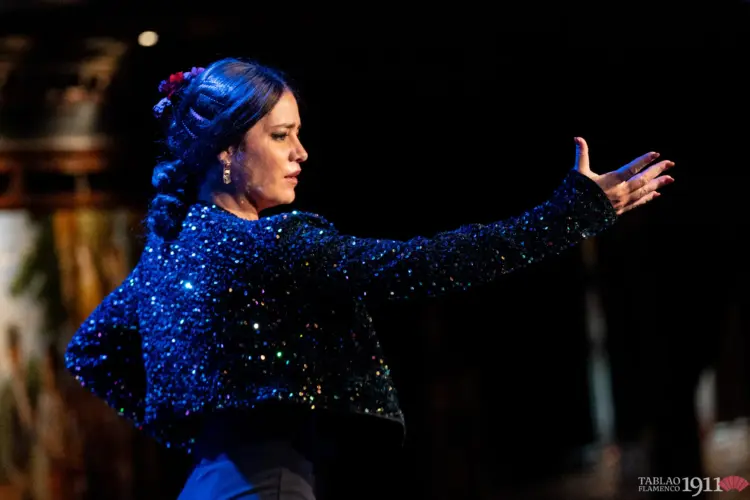
19 October
Carmen Young: elegance turned into dance at Tablao 1911
She crossed an ocean to learn to dance flamenco. Today she dances it with an elegance that can't be taught.