Caña
What is it?
The caña is one of the oldest flamenco styles whose melody has served as the root of many other flamenco songs.
Why is it used?
This style is characterised by its chorus structure. This element is used by the artists to make the most of the different nuances that they perform, providing different variations for each of the repetitions.
Thematic
Nowadays, fixed lyrics are usually used, the main themes of which are centred on the fear of losing love, a kind of impossible love that torments the performer, and melancholy.
Costumes
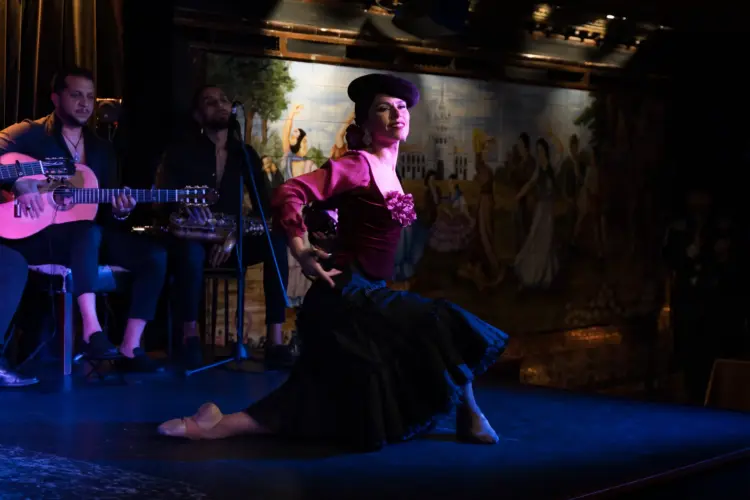
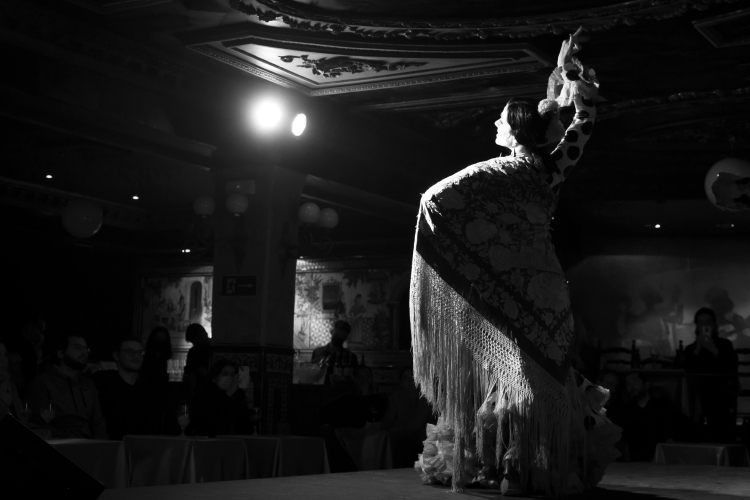
There is no predetermined costume for this dance. You can find a wide variety of colours, predominantly dark. You will also find freedom with regard to the accessories, being able to use trousers, shawl, castanets, bata de cola or hat.
How is it interpreted?
The caña has a fairly extensive fixed structure, so, depending on the artist, we can find modifications in its duration. You will hear a series of ayeos (parts in which ‘ay’ is sung) which are interspersed with footwork with the lyrics. These ayeos are used by the dancer to breathe and create a moment of tension and majesty that will be interrupted by the surprising footwork. The meter of this style is the same as that found in the soleá or soleá por bulería, ending the dance in the compás de bulería. In other words, the first part is more relaxed, culminating in a rise in tempo to the sound of the typical lyrics that originally corresponds to the palo called Polo: /Everybody asks God for health and illness/ and I ask him for death/ and he won’t send it to me/.
A bit of history
La caña is the first flamenco song to appear in the Sevillian press in 1812. We can also find references to this style in the chronicles of travellers such as Richard Ford in 1831. The model normally used is the one established by the cantaor Antonio Chacón, which would culminate in the 20th century. As for dance, it did not emerge at the same time as cante. It was in 1935 when Carmen Amaya danced this palo for the first time. Although it is a palo that is still used today in the tablao, it was not always popular, as it fell into disuse during the second half of the last century.
Enjoy!
Featured posts
Flamenco shows
From 19 to 25 October
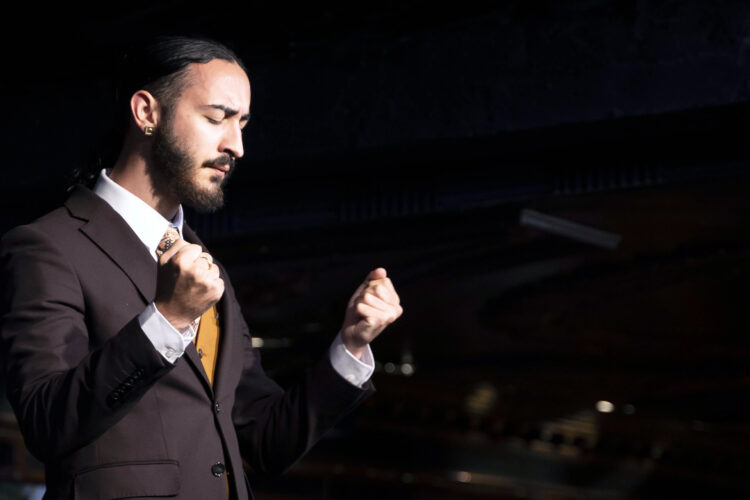
José Escarpín and his Guinness World Record at Tablao Flamenco 1911
The Guinness World Record of flamenco arrives at the oldest flamenco tablao in the world: Tablao Flamenco 1911.
From 19 to 25 October
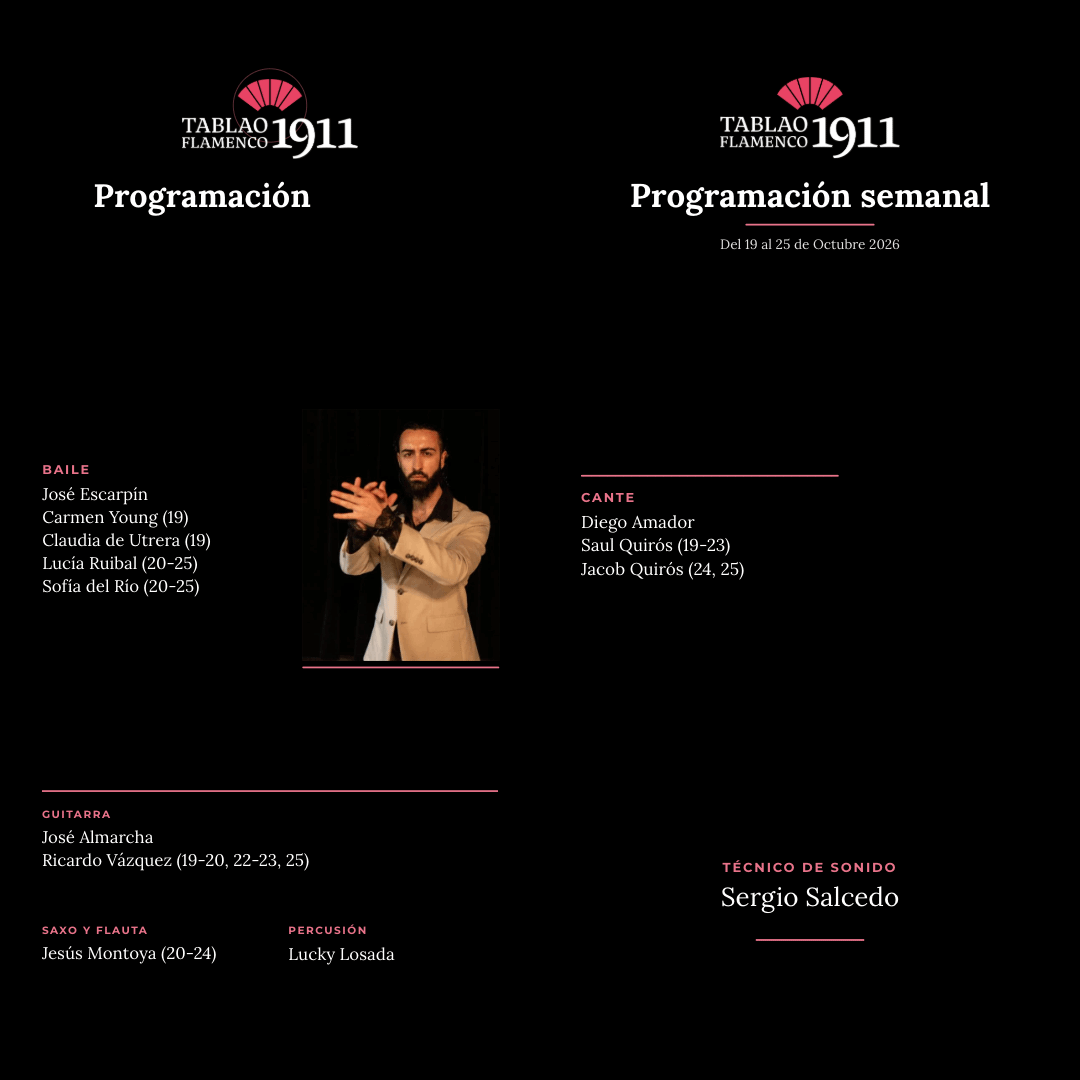
Flamenco Madrid Daily Show
This week, our flamenco ensemble renews itself to offer you an experience full of nuances and overflowing talent.
19 October
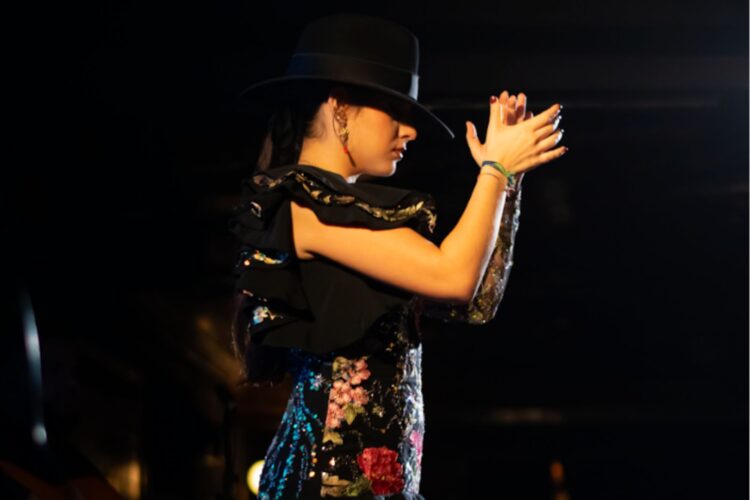
The Old Soul of a New Talent: Claudia de Utrera
We invite you to discover the strength and maturity of Claudia de Utrera, a dancer who proves that art
19 October
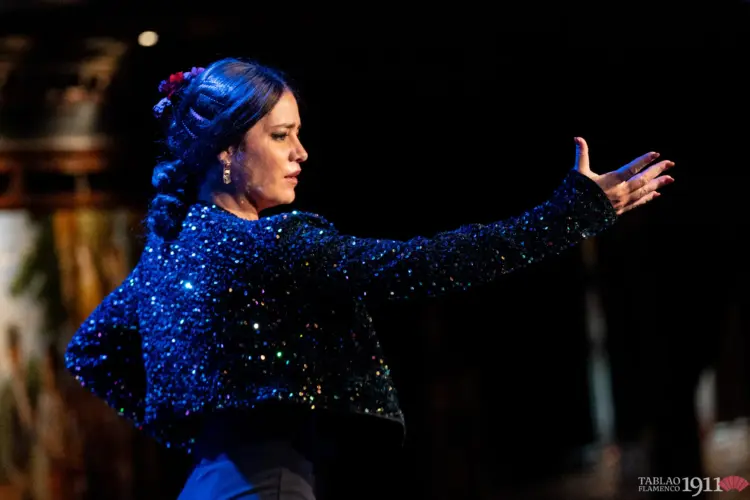
Carmen Young: elegance turned into dance at Tablao 1911
She crossed an ocean to learn to dance flamenco. Today she dances it with an elegance that can't be taught.