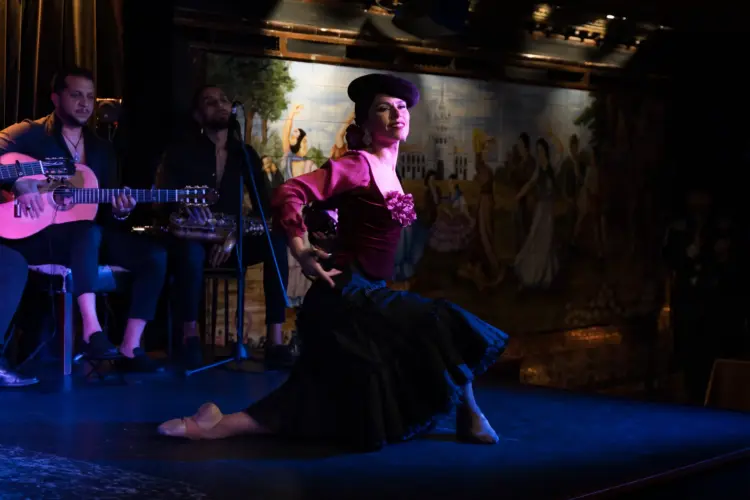
Cante, toque, and dance: the fundamental elements of flamenco.
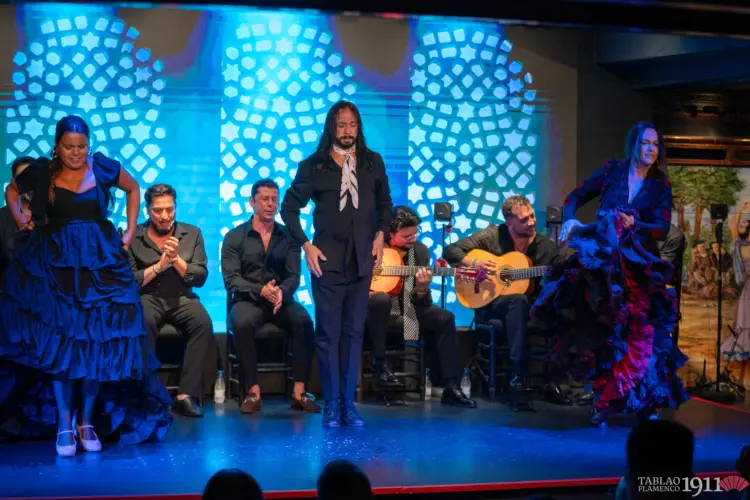
Flamenco is not a sum of parts; it is a coordinated explosion. When you enter a tablao, you don’t see three independent artists; you see a single living organism composed of three hearts beating as one.
To truly understand this art, you must know the pillars that sustain it. Read on and discover how the voice, the strings, and the body fuse to create something that goes far beyond mere entertainment.
What are the pillars of flamenco?
Imagine an equilateral triangle. If one side is missing, the structure collapses. The same happens in the “arte jondo”: cante, toque, and baile form an inseparable trinity that gives meaning to every style.
Although singing was the origin of everything, today the magic lies in the constant interaction between the three. No element is a slave to the other. It is a democratic conversation where respect for the rhythm and the capacity for improvisation determine the night’s success.
Cante: The voice that sustains flamenco
It all began with a cry, a lament, or a joy launched into the air. Cante is the narrative and emotional foundation of this art, the starting point for any professional flamenco group. It is not about singing “well” in an academic sense, but about transmitting “jondura” (depth).
The singer’s voice does more than tell a story; it sets the emotional tone for the other artists. It is the rawest and most honest instrument, capable of giving you goosebumps without the need for artifice. Without the guidance of the cante, the guitar and the dance would lose their compass.
Toque: The guitar as a guide and dialogue
The flamenco guitar is not just an accompaniment. It is the harmonic engine and the absolute guardian of time. The guitarist acts as the invisible bridge connecting the singer’s voice with the dancer’s feet, balancing the intensity of both.
In flamenco, the “toque” has a personality of its own that goes beyond the notes. It doesn’t just set the tone; it dialogues with the artist, responding to their laments and underlining their silences with mathematical precision. It is a technique of extreme difficulty that requires both virtuosity and deep listening.
Baile: Body, rhythm, and expression
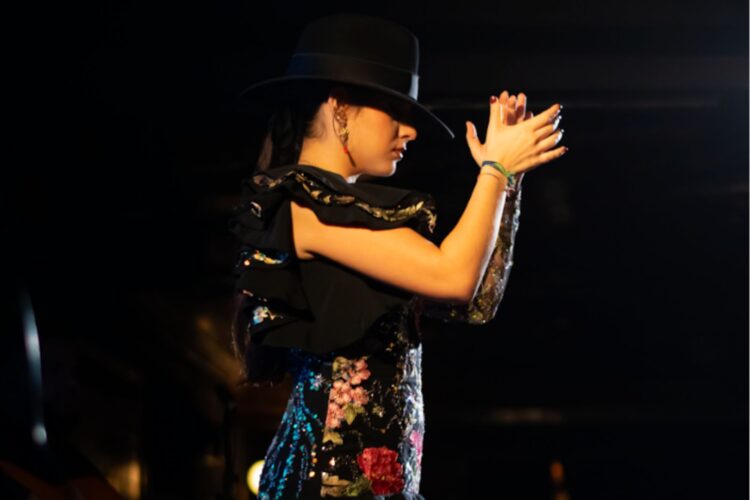
Dance is the visual translation of the music. It is where sentiment becomes flesh before the spectator’s eyes. Through the movement of the arms (braceo) and the rhythmic percussion of the feet (zapateado), the dancer becomes a fundamental percussion instrument within the group.
But make no mistake: technique is useless without soul. Flamenco dance is an explosion of facial and bodily expression that communicates what words cannot reach. The dancer must master the flamenco rhythm with absolute rigor to play with it and unleash passion at the exact moment of the “remate.”
How the elements of flamenco integrate on stage
Seeing these three pillars work together is a miracle of non-verbal communication. In an authentic flamenco show in Madrid, the artists look at, listen to, and cheer each other on to reach the limits of their art.
Improvisation is the glue that binds them in every performance. The guitarist watches every step of the dancer; the dancer waits for the singer’s breath; and the singer relies on the security of the guitar. This electric connection is what creates the famous “duende.” It is that fleeting moment where technique disappears to make way for a fascinating and pure force.
Featured posts
Flamenco shows
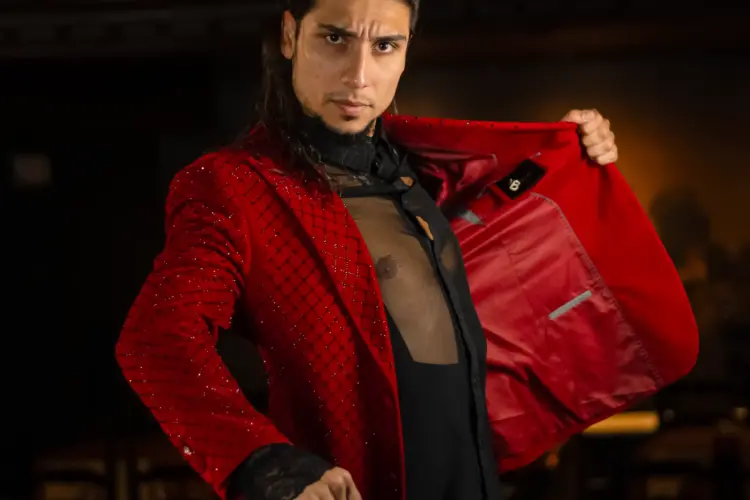
From 5 to 8 October
El Yiyo: The New Legend of Flamenco
The stage welcomes a flamenco phenomenon: El Yiyo.
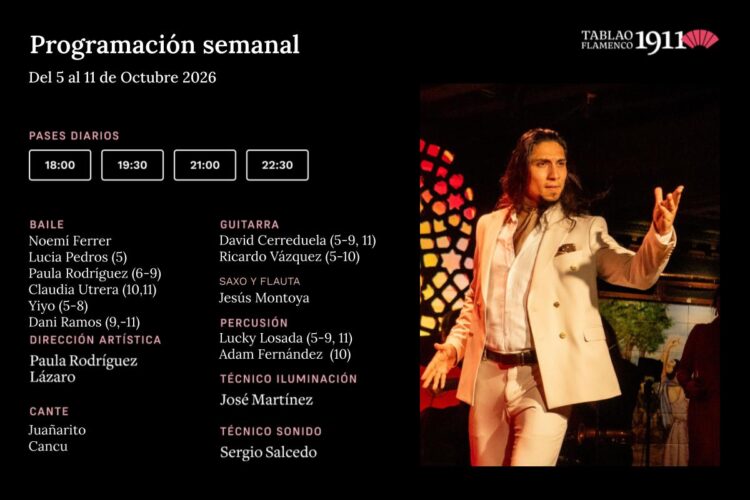
From 5 to 11 October
Flamenco Madrid Daily Show
This week, our flamenco ensemble renews itself to offer you an experience full of nuances and overflowing talent.
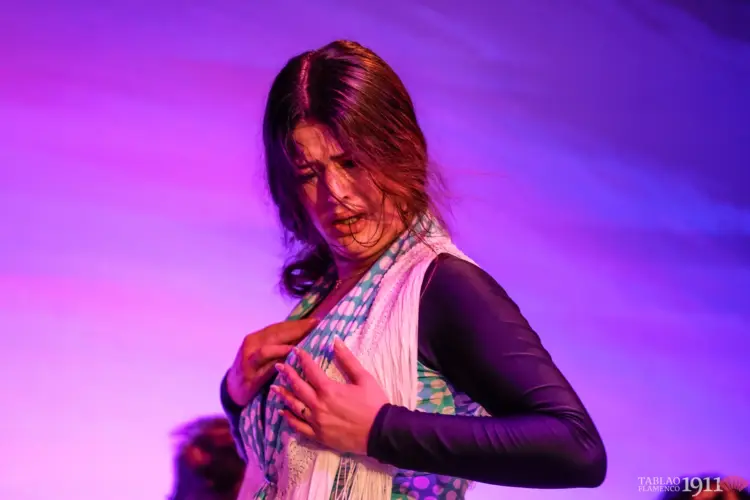
From 5 to 11 October
Noemí Ferrer: The long-awaited return to Tablao Flamenco 1911
The winner of the Villa Rosa Prize returns home. Strength, rhythm, and passion just inches away from you.
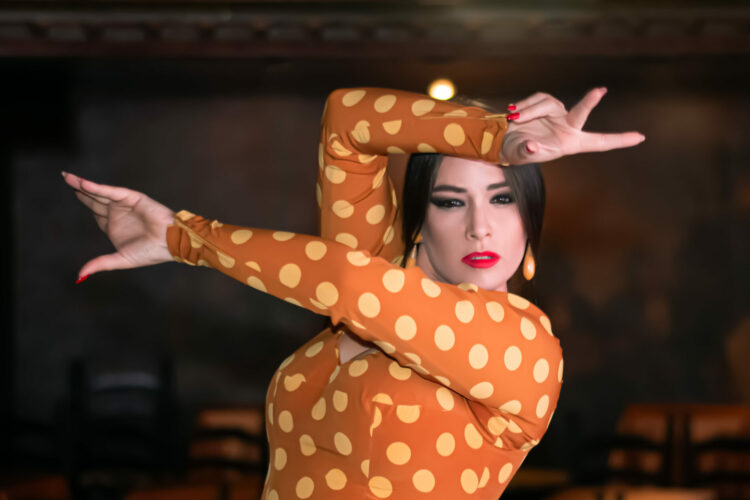
From 6 to 9 October
Paula Rodríguez returns to 1911
Paula Rodríguez, pure passion, strength, and elegance!
From 10 to 11 October
The Old Soul of a New Talent: Claudia de Utrera
We invite you to discover the strength and maturity of Claudia de Utrera, a dancer who proves that art