The Flamenco Cajón: The wooden heart that drives the rhythm
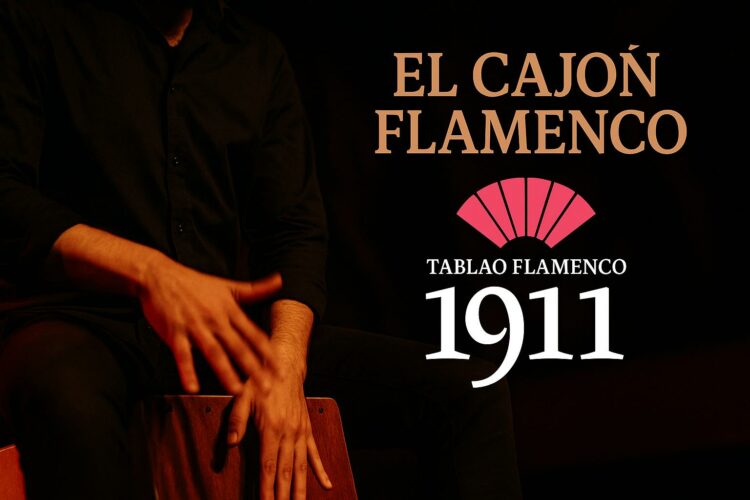
When you think of flamenco, what comes to mind? Surely the wailing of a cante, the vibrant strumming of a guitar, or the powerful footwork of a bailaor. But there’s another sound, a deep and steady heartbeat that ties all these elements together — a pulse born from wood and felt in the soul: the flamenco cajón.
On the stage of Tablao Flamenco 1911, the cajón is not just a percussion instrument; it’s the anchor, the heart that drives the rhythm so that the singing, the dancing, and the guitar can soar freely. But did you know that this pillar of modern flamenco is actually a relatively recent guest at the fiesta of arte jondo?
A Round Trip Journey: The Peruvian Origin of the Cajón
The story of the flamenco cajón is one of those magical coincidences that show the universality of art. It wasn’t born in a corral in Triana or in a cave in Sacromonte. Its cradle lies thousands of kilometers away, in Peru.
It was in the late 1970s when the legendary guitar maestro Paco de Lucía was touring Latin America. At a party at the Spanish embassy in Lima, he heard singer Chabuca Granda accompanied by a musician, Caitro Soto, who was playing a simple wooden box — a cajón. Paco was fascinated. That sound, with its deep bass tones and sharp, crisp highs, had exactly the nuance flamenco needed. It was like having an entire drum set in a box: the bass for the kick, the high tone for the snare.
Without hesitation, Paco de Lucía bought a cajón and brought it back to Spain. He gave it to his percussionist, the Brazilian Rubem Dantas, who became the pioneer in masterfully integrating it into flamenco. What began as an experiment became a revolution.
What Does the Cajón Bring to Flamenco?
Before it arrived, rhythm (compás) was mainly marked with palmas (hand claps) and footwork. The cajón didn’t replace them — it enriched the rhythmic base, adding strength and texture that complements and converses with the rest of the artists.
-
It’s the foundation: It provides a rhythmic skeleton (compás) over which musicians and dancers can build their improvisations freely.
-
It adds color and dynamics: A great cajonero knows when to whisper for an intimate soleá and when to explode with force in a bulería.
-
It connects the artists: It acts as a sound bridge between the guitar’s melody, the singer’s voice, and the dancer’s footwork. It’s the conductor seated on their own instrument.
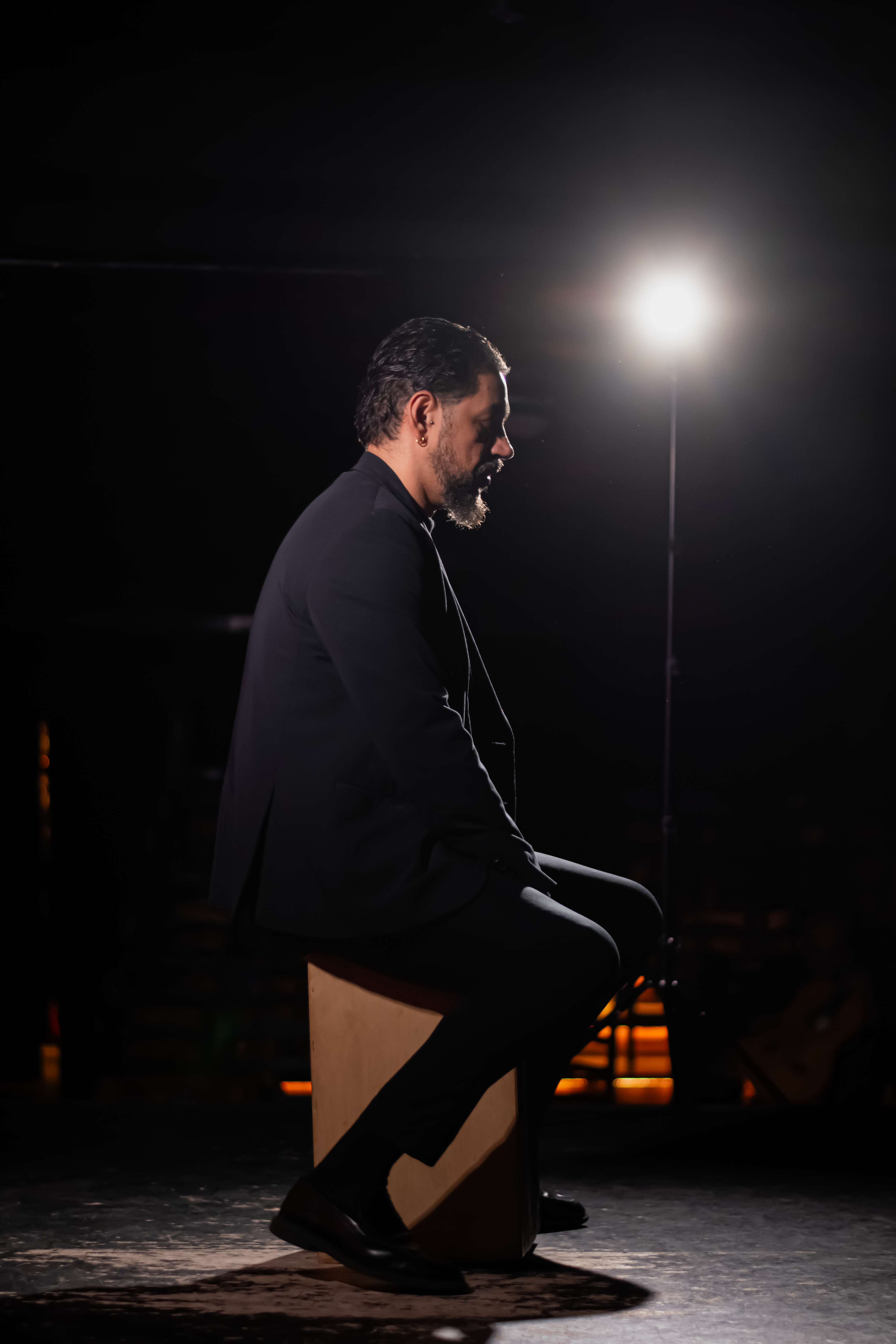
Feel the Beat of the Cajón at Tablao 1911
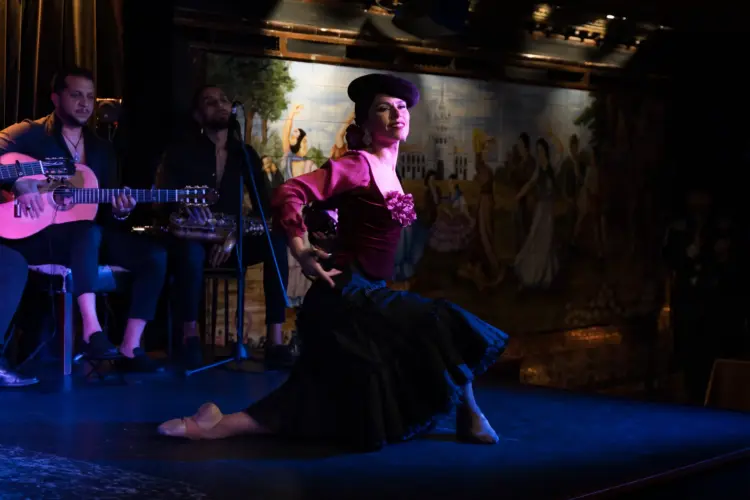
Reading about the cajón is fascinating — but nothing compares to feeling it live. In an intimate tablao like ours, the experience is complete. You don’t just hear it with your ears; you feel its vibration running through the wooden floor and rising through your chest. It’s a physical, real heartbeat that connects you viscerally to the duende unleashed on stage.
You’ll see how the percussionist’s hands dance over the cajón’s surface, creating a universe of sound with fingertips, palms, or knuckles. You’ll witness how their gaze meets that of the dancer and guitarist, maintaining a wordless conversation woven from pure rhythm.
The cajón proves that flamenco is a living, breathing, traveling art. From a humble Peruvian box to the beating heart of the world’s most prestigious tablaos.
Don’t Settle for Someone Telling You About It. You Have to Live It.
We invite you to feel the power and magic of the flamenco cajón in the heart of Madrid. Listen to how it drives the rhythm of our show and let yourself be carried by its unmistakable pulse.
Book your tickets for an unforgettable night at Tablao Flamenco 1911
Featured posts
Flamenco shows

From 13 to 18 October
José Maya on stage at Tablao Flamenco 1911
This week, one of the most powerful names in contemporary flamenco shines once again on our stage: José Maya.
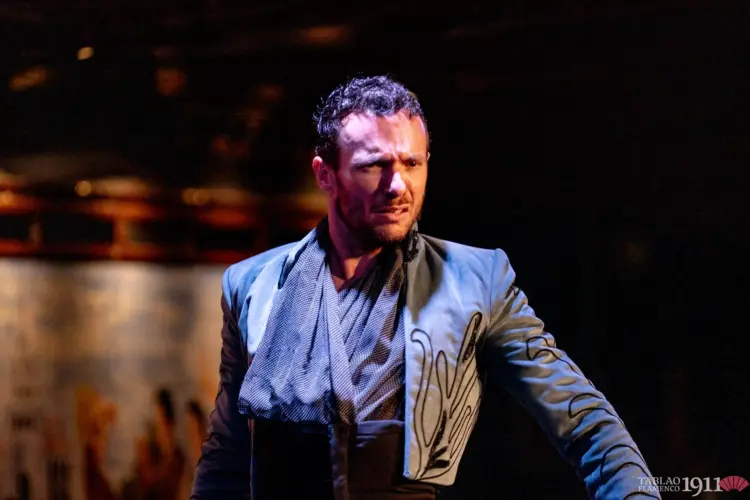
12 October
Juan Carlos Avecilla: the force of Cádiz in the Cathedral of Flamenco
Only the greats set foot on the oldest stage in the world. The force of Cádiz in Juan Carlos Avecilla, just a couple of metres from you.
From 12 to 18 October
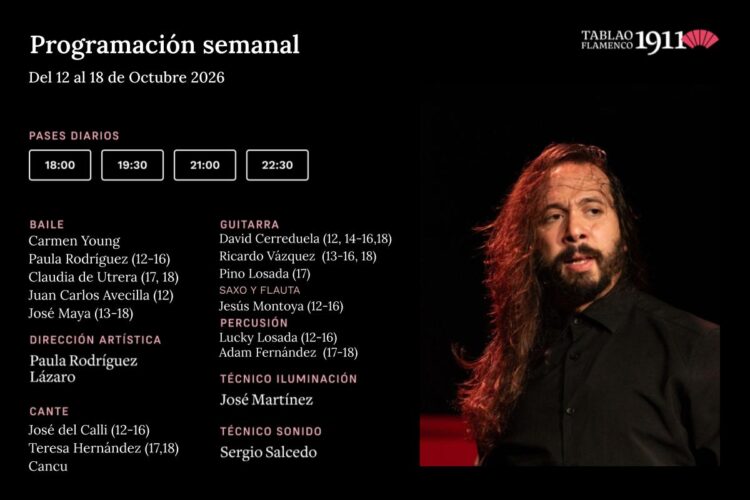
Flamenco Madrid Daily Show
This week, our flamenco ensemble renews itself to offer you an experience full of nuances and overflowing talent.
From 12 to 18 October
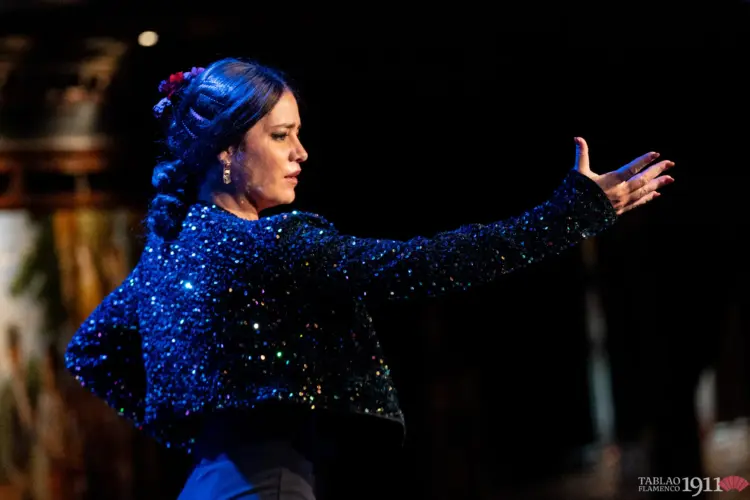
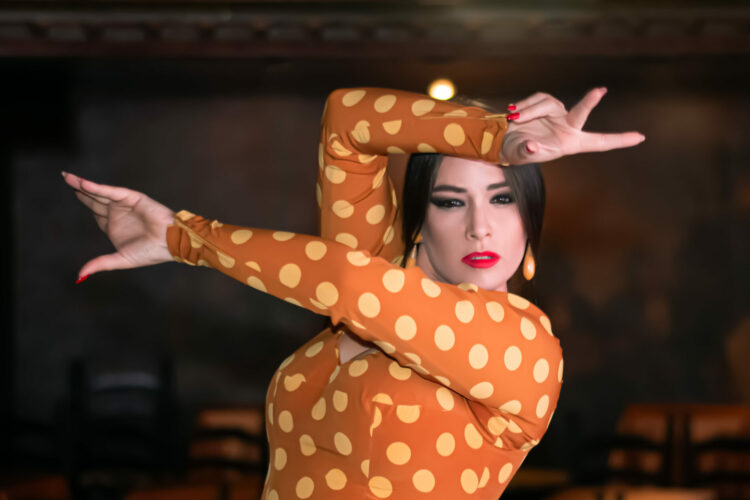
Carmen Young: elegance turned into dance at Tablao 1911
She crossed an ocean to learn to dance flamenco. Today she dances it with an elegance that can't be taught.
From 12 to 16 October
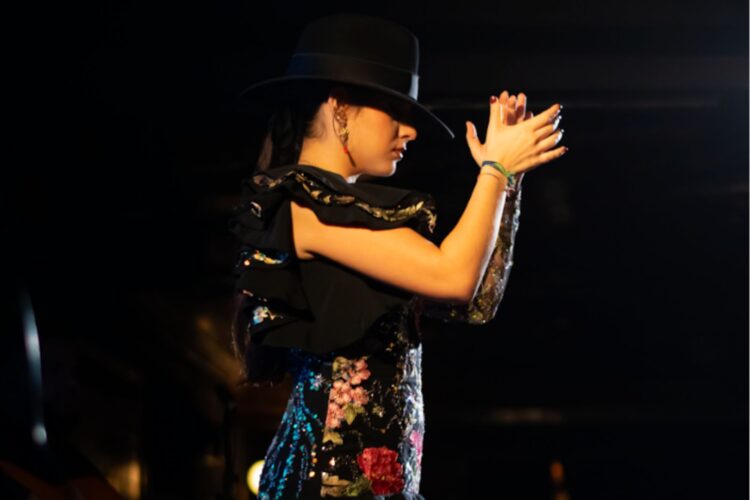
Paula Rodríguez returns to 1911
Paula Rodríguez, pure passion, strength, and elegance!
From 17 to 18 October
The Old Soul of a New Talent: Claudia de Utrera
We invite you to discover the strength and maturity of Claudia de Utrera, a dancer who proves that art