Top 9 Women in Flamenco Who Have Shaped the History of This Art
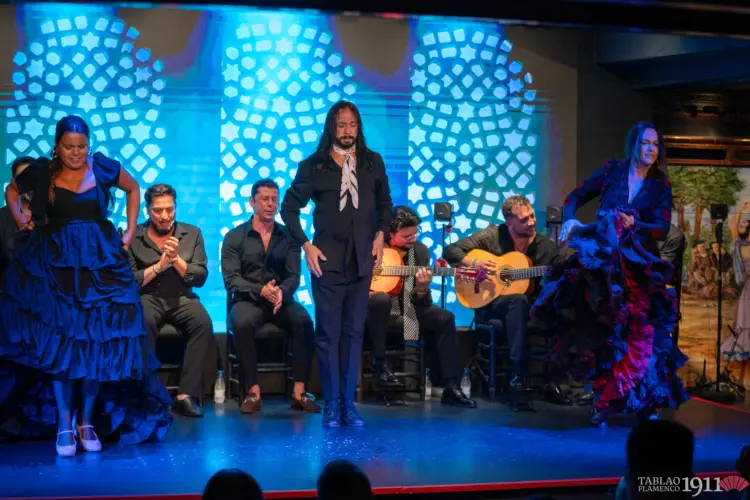
Talking about women in flamenco is talking about a story of overcoming, character, and artistic revolution. Although classical historiography often focused its attention on the great male sagas, the reality of tablaos and stages tells a different story: flamenco, as we know it today, was largely shaped by the female temperament.
From the earliest references in 19th-century cafés cantantes to the professionalisation of the genre, the figure of the flamenco dancer and the female singer has evolved, breaking social and aesthetic barriers. They not only contributed beauty, but also introduced techniques, rhythms, and forms of expression that changed the genre forever.
Next, we analyse the 9 essential flamenco women to understand this evolution. A selection that encompasses racial dance, encyclopaedic singing, and artistic genius.
1. Carmen Amaya “La Capitana” (Universal dance)
It is impossible to begin a list about flamenco women without mentioning Carmen Amaya. Born in the shacks of Barcelona’s Somorrostro, Amaya marked a before and after in dance technique. She was the first to claim zapateado with a fury and speed that until then had been considered exclusive to male dance.
Famous for dancing in short trousers (pants), her international projection was immense, performing at the White House and triumphing in Hollywood. She showed the world that female flamenco could be pure visceral force.
2. Lola Flores “La Faraona” (Temperament)
Often overshadowed by her media and cinematic facet, it is fair to reclaim Lola Flores as an artist with an unparalleled sense of rhythm and temperament. She became famous for the New York Times critique that stated: “She doesn’t sing or dance, but don’t miss her.”
Lola embodied absolute charisma. Her way of reciting, her movement of the bata de cola, and her expressive strength created a school based on personality over technique.

Lola Flores – “Volver” (1974) HD – YouTube
3. Pastora Pavón “La Niña de los Peines” (The Encyclopedia of Cante)
If we speak of knowledge, we speak of Pastora Pavón. She is the supreme figure of female cante of the 20th century. Her nickname came from some tangos she sang as a child (“comb your hair with my combs…”), but her legacy goes far beyond that.
Pastora mastered all palos and created her own styles, such as the bamberas. Her bronze-like voice and her ability to perform the most difficult cantes with perfect pitch led to her being declared a Cultural Heritage Asset. She is the mirror in which all contemporary female singers look.
4. Manuela Carrasco (Gypsy Solemnity)
At the opposite extreme of speed, we find Manuela Carrasco. She represents the concept of “majesty.” Known as “La Diosa,” her dance is ritual and ceremony.
Manuela proved that it is not necessary to move across the entire stage to fill it; sometimes a single stance, a look, and a slow, solemn lift of the arms are enough. She is the greatest exponent of pure gypsy dance, where aesthetics and scenic weight prevail over acrobatics.
5. La Singla (The Genius of Silence)
Antonia Singla is one of the most fascinating cases in the history of flamenco. Deaf from birth, she learned to dance without hearing the music, guided solely by the vibrations of the guitar and the rhythm she saw in the clapping.
Her wild style, free of any academic norm, captivated European intellectual circles of the 1960s (including Dalí and Duchamp). Her silent “cry” on stage proves that flamenco is an art born from the depths, not only from the ear.

Trailer of “La Singla”, documentary by Paloma Zapata – YouTube
6. Fernanda de Utrera (The Queen of Soleá)
Utrera is territory of Gypsy cante, and Fernanda was its queen. Her voice, hoarse, broken and full of melisma, is considered the greatest that has ever existed for singing Soleá.
Fernanda did not sing from the throat, but from pain and lived experience. Together with her sister Bernarda, she represents the oral transmission of flamenco, an art that is not learned in conservatories, but in family gatherings and that pierces directly into the listener’s soul.
7. La Paquera de Jerez (Vocal Power)
If Fernanda was intimate sorrow, La Paquera was the explosion of energy. Francisca Méndez was, probably, the most powerful voice in the history of Jerez. Famous for her mastery of bulería, she was able to perform in large spaces without a microphone thanks to her torrent of voice.
La Paquera symbolizes joy, frenetic rhythm and the strength of the women of Jerez. Her echo remains, to this day, one of the most imitated and sought-after on the internet under the term “flamenco cantaora”.
8. Merche Esmeralda (The Sevillian School)
To understand the diversity of flamenco dance, one must look at Merche Esmeralda. She personifies elegance, stylization and classical femininity. A great lady of the Sevillian School, her dance is characterized by the masterful use of castanets, perfect arm placement and refined technique.
Merche demonstrated that flamenco can also be academic and refined without losing its deep essence.
9. La Perla de Cádiz (The Aristocracy of the Bay)

La Perla de Cádiz and Paco Cepero. (Source: YouTube Archive)
We close this journey in the “Tacita de Plata” with Antonia Gilabert, “La Perla”. Daughter and granddaughter of artists, she inherited the secrets of the Cádiz styles: alegrías, tanguillos and the bay’s bulerías.
Her style was defined by precise compás (the “soniquete”) and a vocal sweetness that contrasted with the force of her contemporaries. La Perla represents the natural elegance and joyful spirit of Cádiz women in flamenco.
These 9 women are not just names on a list; they are the pillars upon which modern flamenco was built. Thanks to their courage to innovate and their ability to transmit truth, today we can enjoy a rich and diverse flamenco scene. Their legacy lives on in every tablao, inspiring new generations of dancers and singers who step onto the stage every night.
The story continues to be written on the stages. To honour these pioneers, we have prepared an exclusive programme where past and present go hand in hand. During the week of March 8, the tablao hosts a selection of shows for International Women’s Day in Madrid, where flamenco once again becomes voice, memory and celebration.
Buy tickets for the most authentic flamenco show in Madrid
Buy tickets
Featured posts
Flamenco shows
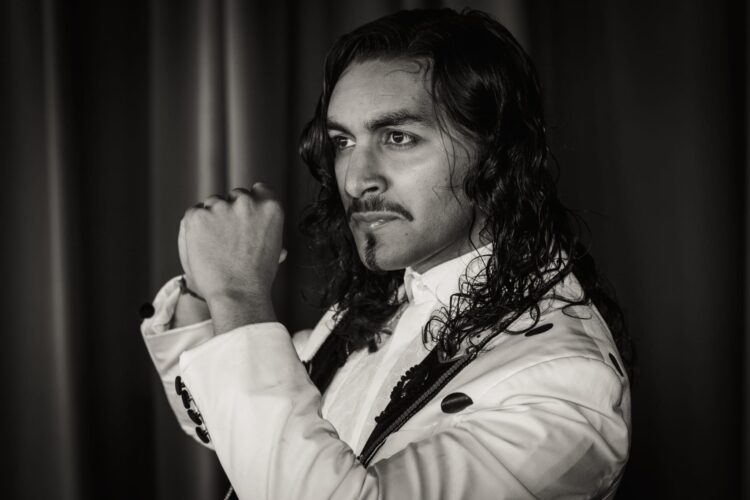
From March 30th to April 2nd
Polito arrives at Tablao Flamenco 1911
Polito, the Farruco dancer who taught Rosalía how to dance.
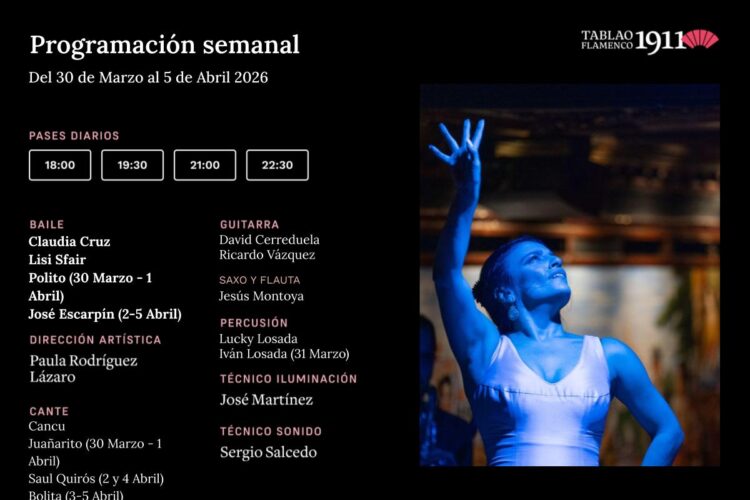
From March 30th to April 5th
Flamenco Madrid Daily Show
This week, our flamenco ensemble renews itself to offer you an experience full of nuances and overflowing talent.
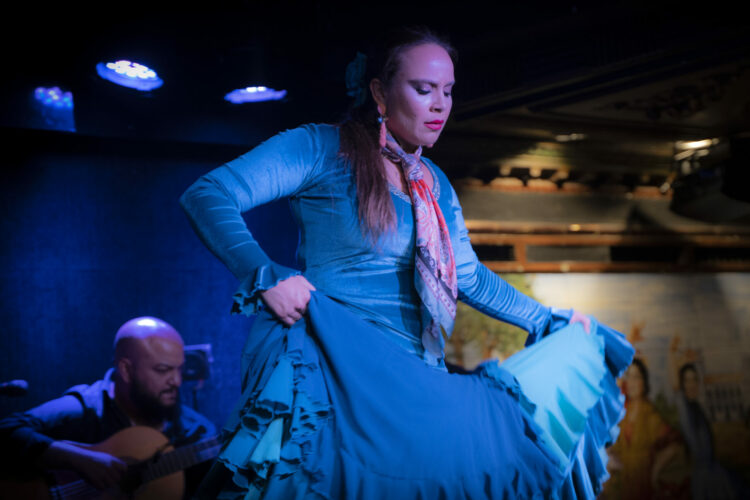
From March 30th to April 5th
The princess of Cádiz, Claudia Cruz
Claudia Cruz: Cádiz elegance turned into flamenco
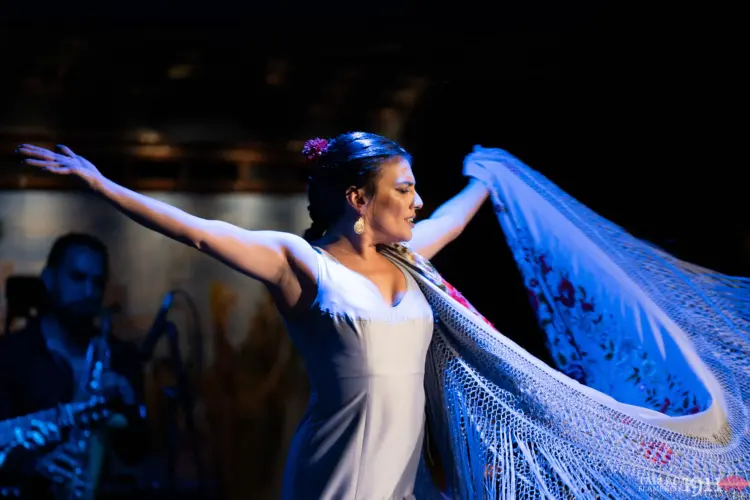
From March 30th to April 5th
Lisi Sfair, an International Artist, arrives on our stage.
This week, Tablao Flamenco 1911 welcomes an artist who doesn’t just dance — she conquers.
From March 29 to April 5
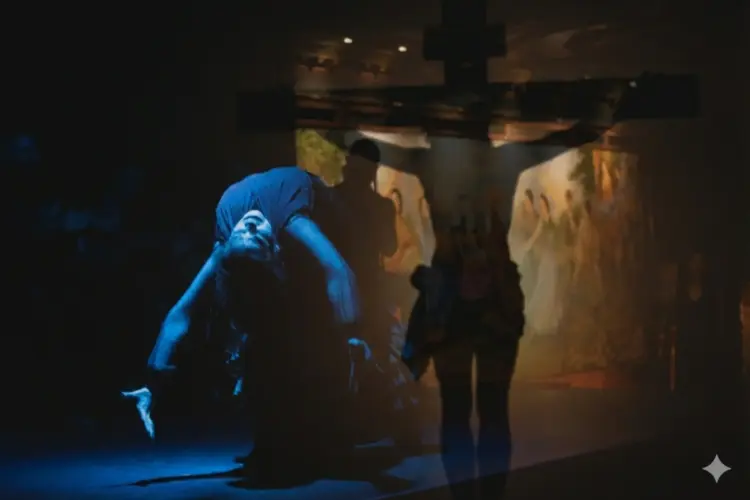
Easter in Madrid: Tablao Flamenco 1911 at Plaza Santa Ana
Madrid changes completely during Holy Week. The smell of incense and the beating of drums fill the streets, but when...
From April 3rd to 5th
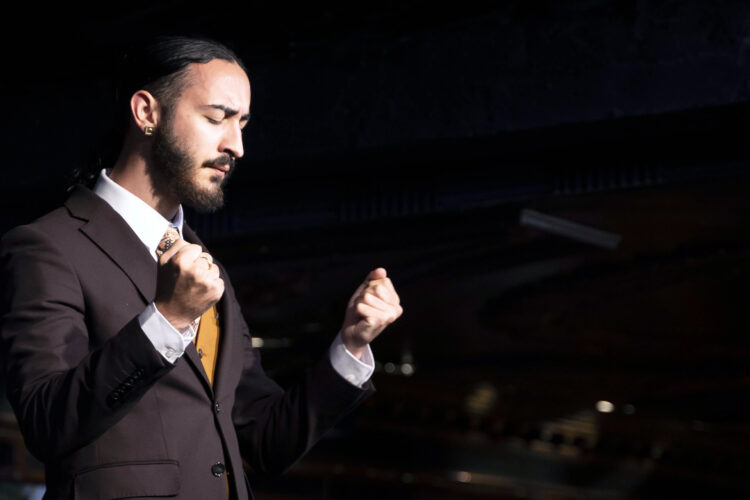
José Escarpín and his Guinness World Record at Tablao Flamenco 1911
The Guinness World Record of flamenco arrives at the oldest flamenco tablao in the world: Tablao Flamenco 1911.