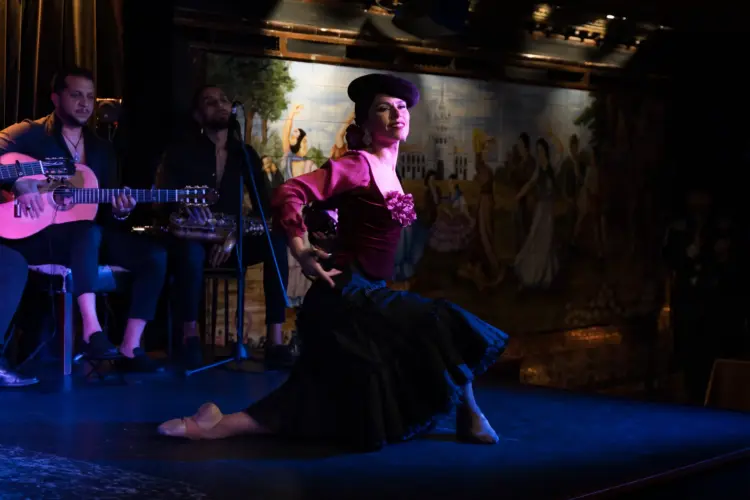
Bulería
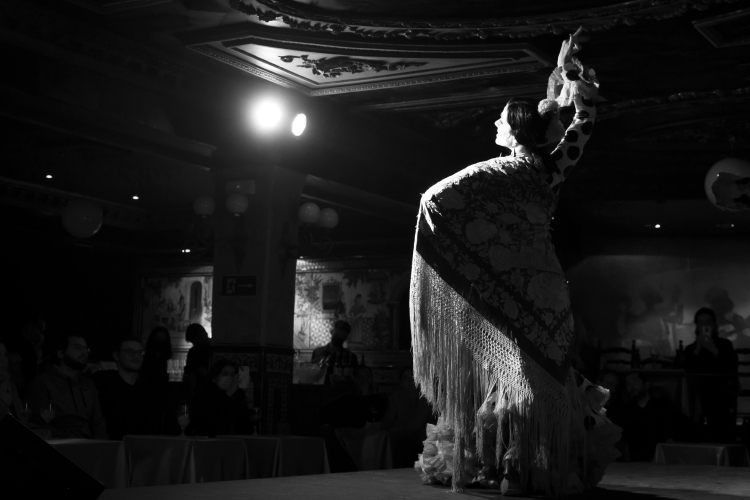
-
What is it?
It is one of the most famous and festive flamenco palos (styles), probably originating from Jerez de la Frontera (Cádiz). While it rhythmically belongs to the 12-beat compás family, like the Soleá or Alegrías, the Bulerías revolutionized it with their characteristic speed, rhythmic flexibility, and unmistakable vibe full of wit, grace, and just the right tension. Although based on the 12-beat cycle, its compás constantly plays with accents, syncopations, and off-beats, creating a thrilling sensation. It is the quintessential rhythm of the flamenco juerga (party).
-
Why is it used?
Flamenco encompasses a wide emotional spectrum. The Bulerías are the perfect vehicle for expressing or feeling pure celebration — they are the ultimate expression of festivity, overflowing joy, and shared experience. They promote a constant playful interaction between singing, guitar, and dance. Their speed and rhythmic complexity allow artists to showcase virtuosity and mastery of compás. They’re ideal for releasing spontaneity and connecting with the present. Often used as the grand finale or emotional climax — the “fin de fiesta” — where artists show their art both individually and collectively, generating a powerful peak of energy.
-
Theme
Unlike the more lyrical narrative of other palos, Bulerías lyrics are usually short, direct, witty, and punchy — often in 3 or 4 verses. Their themes revolve around everyday life, telling anecdotes, loves, heartbreaks, and often including humor, work, or family. Ironic, cheeky, or double-meaning lyrics are common. They contain little “pills” of folk philosophy, quick thoughts on life, time, or fate. Sometimes they include local references to Jerez, its neighborhoods, its people, and its wines. Often supported by catchy refrains (juguetillos), the goal of the lyrics is immediate impact and connection, rather than deep narrative development.
-
Costume
There is no exclusive costume for Bulerías different from traditional flamenco attire. However, the movement and attitude that accompany it are distinctive — seeking freedom of movement for quick and spontaneous steps. Footwork is vibrant, full of rhythm and counterpoint. The whole body is involved through expressive movements, poses, foot stamps, and strong closing accents. The goal is to convey cheeky grace, a playful, sometimes provocative or bold energy, through gestures and gaze.
-
How is it performed?
By nature, Bulería is flexible and unpredictable. Certain elements often appear, though their order and length can vary greatly. The performer signals their intent to jump in with a call or entrance. The singer delivers short and direct lyrics. The guitar inserts falsetas — melodically complex and often virtuosic phrases. The dancer alternates marking steps with bursts of footwork, turns, twists, and emphatic finishes known as “pataíta.” Constant jaleo (encouragement), with precise handclaps and cheering from others (“¡Olé!”, “¡Así se hace!”), is essential to the sound and energy of the Bulerías. Improvisation and instant communication between performers are key.
-
A bit of history
Bulerías are believed to have emerged in the late 19th or early 20th century in Jerez de la Frontera. Their exact origin is debated: some experts think they evolved from a faster and lighter version of the Soleá, while others link them to the Cantiñas. Their development was closely tied to the atmosphere of the Cafés Cantantes. While originally rooted in singing and guitar playing, Bulerías dance grew significantly during the 20th century. Jerez has produced legendary figures who are undisputed references of the Bulería: in singing, artists like La Paquera, Terremoto de Jerez (father and son), Fernando de la Morena, and El Torta; in guitar, Moraíto Chico and Manuel Morao; and in dance. Paco de Lucía was crucial in revolutionizing the Bulería on guitar and projecting it internationally.
Enjoy!
Featured posts
Flamenco shows
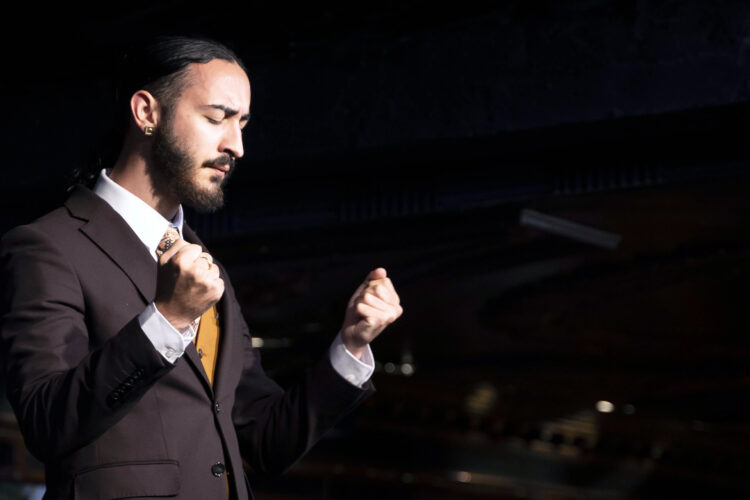
From 19 to 25 October
José Escarpín and his Guinness World Record at Tablao Flamenco 1911
The Guinness World Record of flamenco arrives at the oldest flamenco tablao in the world: Tablao Flamenco 1911.
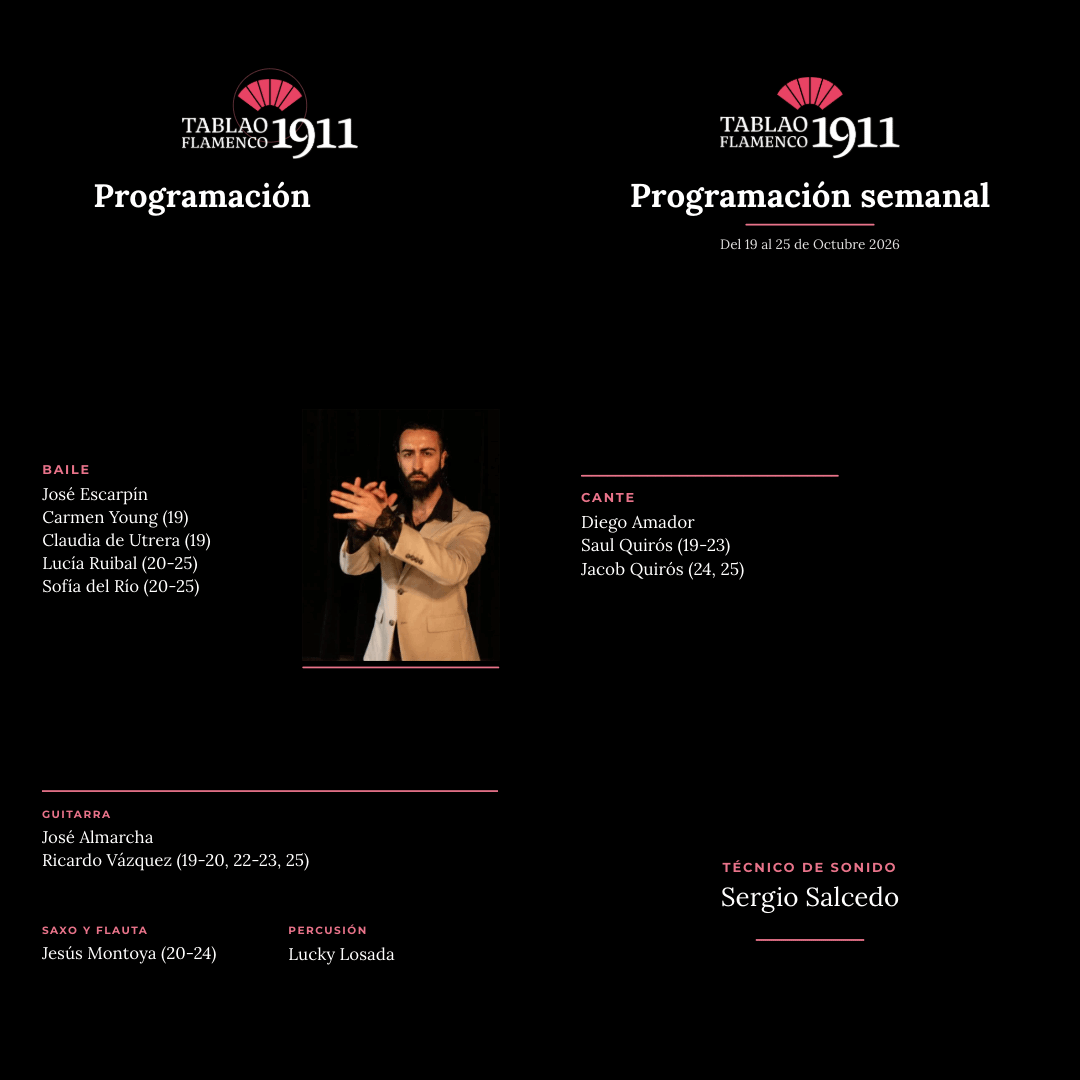
From 19 to 25 October
Flamenco Madrid Daily Show
This week, our flamenco ensemble renews itself to offer you an experience full of nuances and overflowing talent.
19 October
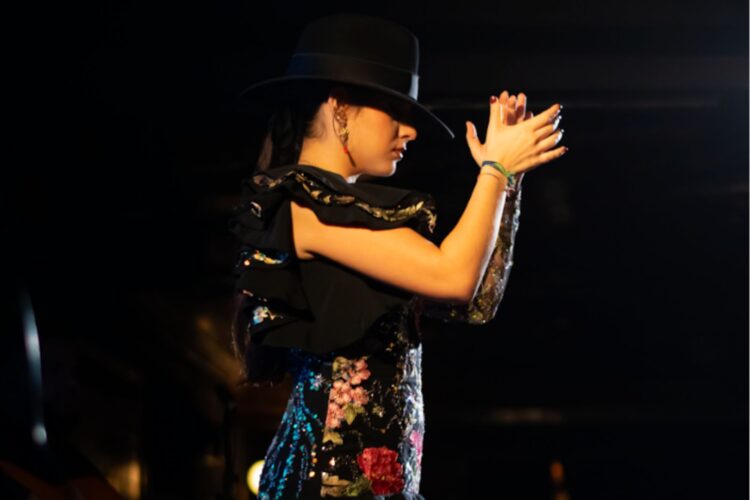
The Old Soul of a New Talent: Claudia de Utrera
We invite you to discover the strength and maturity of Claudia de Utrera, a dancer who proves that art
19 October
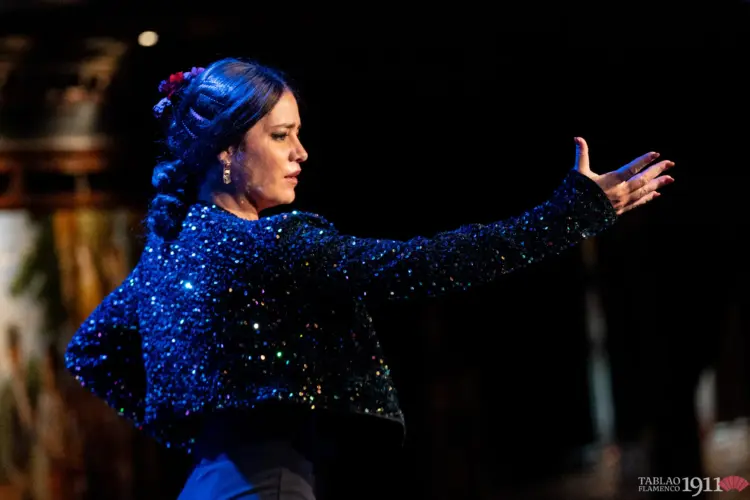
Carmen Young: elegance turned into dance at Tablao 1911
She crossed an ocean to learn to dance flamenco. Today she dances it with an elegance that can't be taught.