The Gypsy Patriarch: The Pillar of Respect and Roots in Flamenco Culture
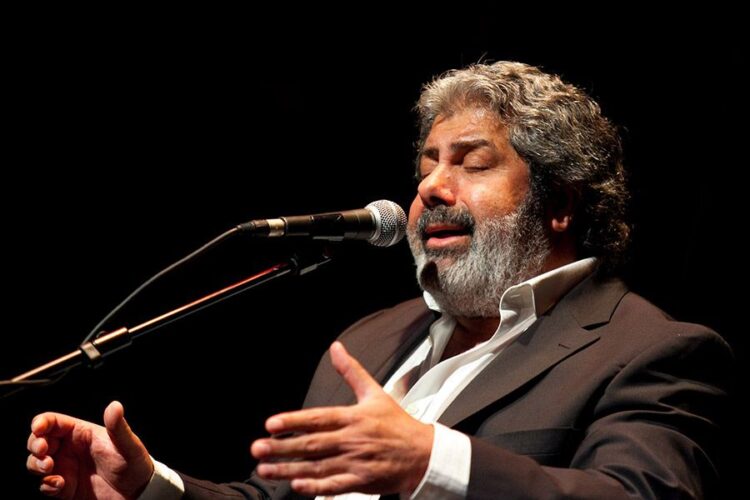
Flamenco is not just a succession of chords and footwork; it is the cry and expression of a people. To understand the depth of the arte jondo (deep art) that makes the stages vibrate every night, one must first understand the structure and values of the culture that saw it born. And at the heart of that structure stands a fundamental figure: the Gypsy patriarch.
With a profound sense of honor, loyalty, and family, the Gypsy people have preserved their customs for centuries. But what exact role does a patriarch play, and why is his influence so decisive in both daily life and the heritage of flamenco?
Who is the Gypsy Patriarch and how is he chosen?
Unlike what happens in other social or political hierarchies, the title of patriarch is not inherited, voted on at the polls, or bought. It is earned.
The patriarch is the eldest man of a family or clan who is recognized for unquestionable wisdom, experience, and moral rectitude. He is the figure of maximum authority and the guardian of Gypsy law (a set of unwritten rules based on honor and respect).
His main responsibilities within the community include:
-
Conflict mediation: When a dispute arises between families, the patriarch acts as a neutral judge. His word is law, and his verdict is absolutely respected to avoid greater feuds.
-
Vital counselor: Important decisions, from family alliances to economic problems or traditional proposals (pedimientos), usually go through his wise counsel.
-
Transmitter of culture: He is the essential bridge between past and future generations. Through oral tradition, he ensures that the customs, the language (Caló), and the art are not lost.
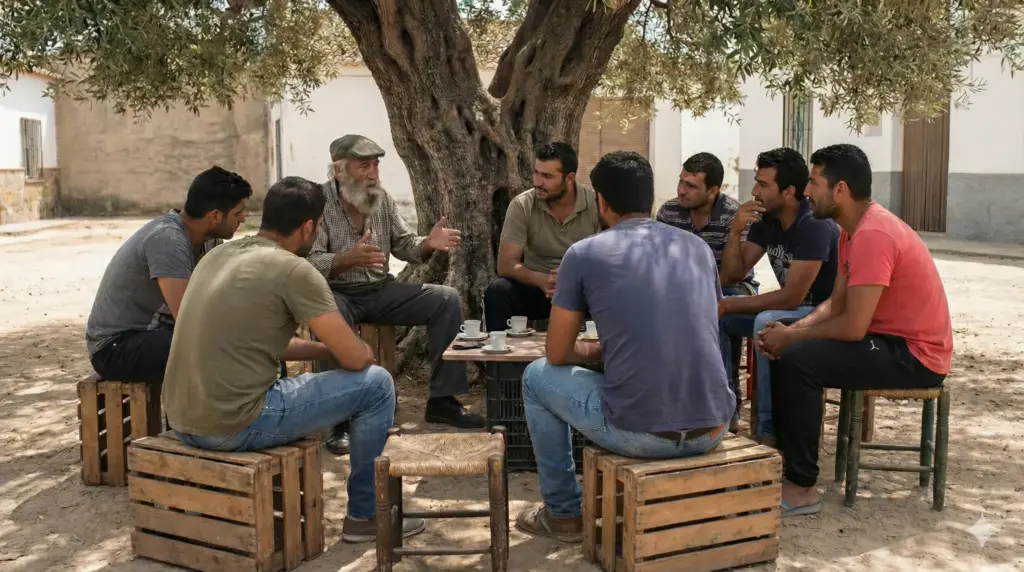
The patriarch’s word is law: respect and wisdom in community mediation.
Respect for Elders: The Unwritten Law of the Gypsy People
In modern Western society, old age is often associated with isolation. However, in Gypsy culture, the exact opposite occurs. The older a person is, the more respect they command.
Both the patriarch and the matriarch are revered. Voices are not raised in their presence, they are served first at the table, and their opinion is the most listened to. This intergenerational respect is the key to the survival of their cultural identity.
From family respect to stage passion: The Flamenco Heritage
This pyramidal family structure and this devoted respect for the roots are directly transferred to the world of flamenco.
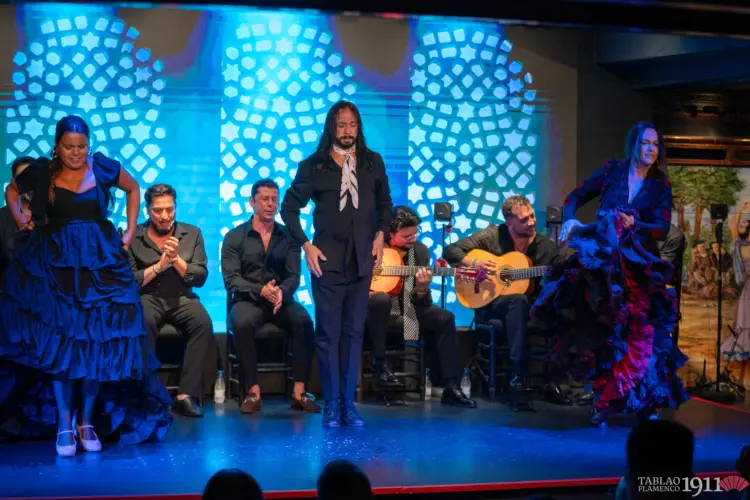
Arte jondo is, in its origins, an art of family transmission. Singing (cante), guitar playing (toque), and dancing (baile) were learned in homes, in courtyards, and in intimate celebrations, under the watchful eye and the rhythm of the elders. The patriarch not only guarded the honor but was often the one who set the rhythm, who broke into a soleá song, and who gave the blessing to the clan’s young talents.
That purity, that absolute respect for the lineage and for what the elders did, is what you truly breathe when enjoying live flamenco in Madrid. It is what differentiates an empty performance from a flamenco cuadro full of duende and truth.
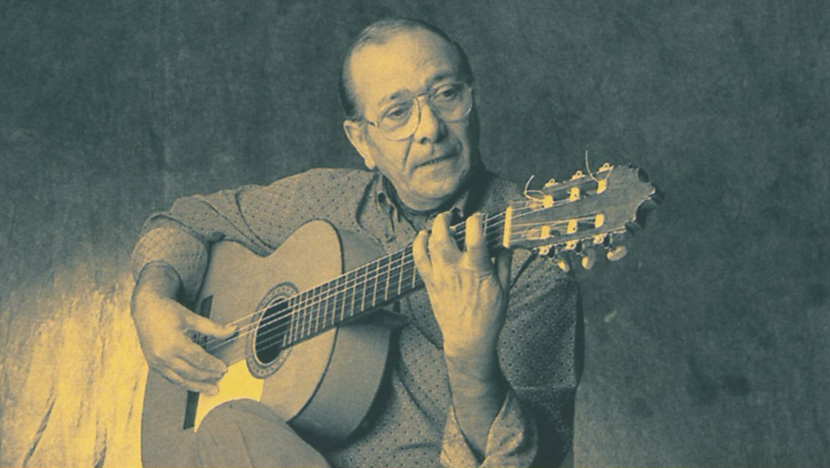
Juan Habichuela, patriarch of the flamenco guitar and symbol of respect for elders in Gypsy culture. (Photo: Aire Flamenco).
Treat your father like a true patriarch this March 19th
In Gypsy and flamenco culture, fathers and grandfathers are not shown love with empty material gifts; they are gifted time, presence, and honor. They are the center of the table and the pillar of the family.
March 19th (Father’s Day in Spain) is approaching, and we propose that you draw inspiration from this deep and beautiful tradition. Forget about the tie, the wallet, or the perfume of every year. If you want to truly surprise him, a great idea is to look for an original Father’s Day gift in Madrid that steps away from the conventional and pays tribute to his figure.
Celebrate this date by gifting him a night of pure art, excellent gastronomy, and emotion in the oldest tablao in the world. Sit by his side, toast together to everything he has taught you, and let the power of the stage speak directly to his heart, just as the true roots of our art dictate.
            Buy tickets for the most authentic flamenco show in Madrid

            Buy tickets
Featured posts
Flamenco shows

From April 6 to 12
José Maya on stage at Tablao Flamenco 1911
This week, one of the most powerful names in contemporary flamenco shines once again on our stage: José Maya.
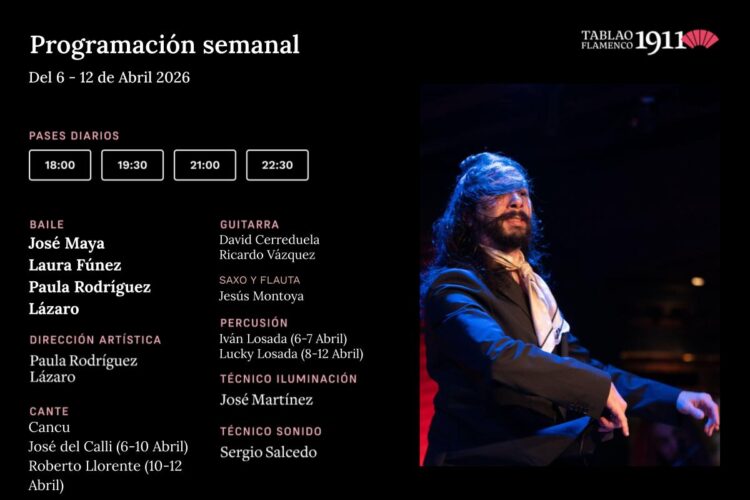
From April 6 to 12
Flamenco Madrid Daily Show
This week, our flamenco ensemble renews itself to offer you an experience full of nuances and overflowing talent.
From April 6 to 12
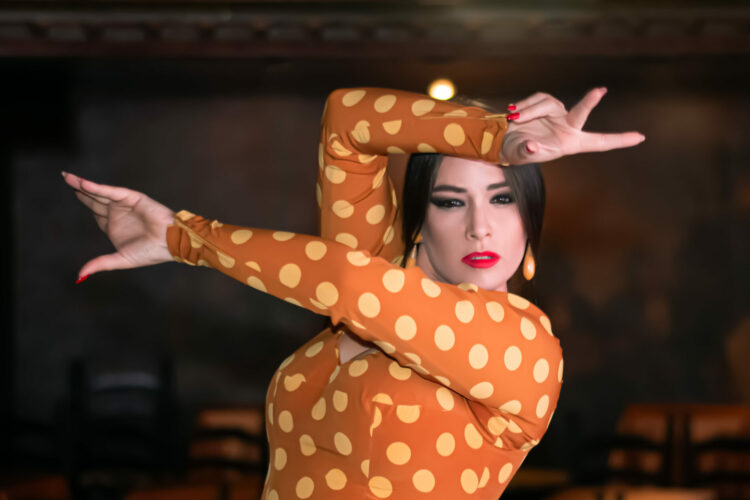
Paula Rodríguez returns to 1911
Paula Rodríguez, pure passion, strength, and elegance!
From April 6 to 12
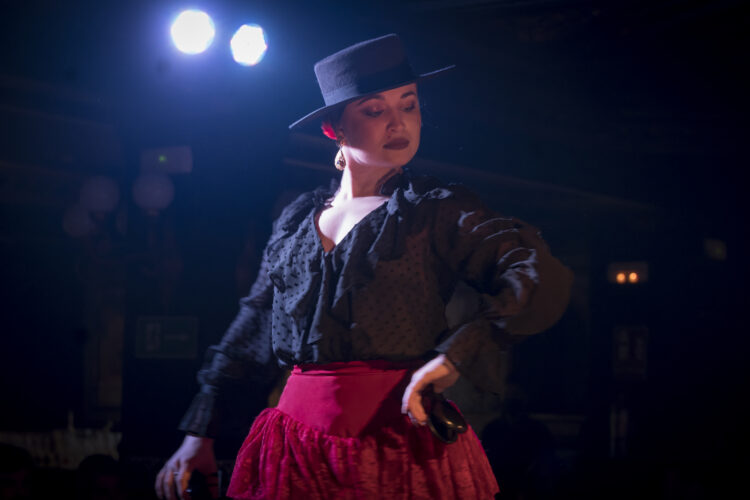
Laura Fúnez and the Escuela Bolera
Escuela Bolera, strength and elegance on stage.