Flamenco instruments: beyond the guitar
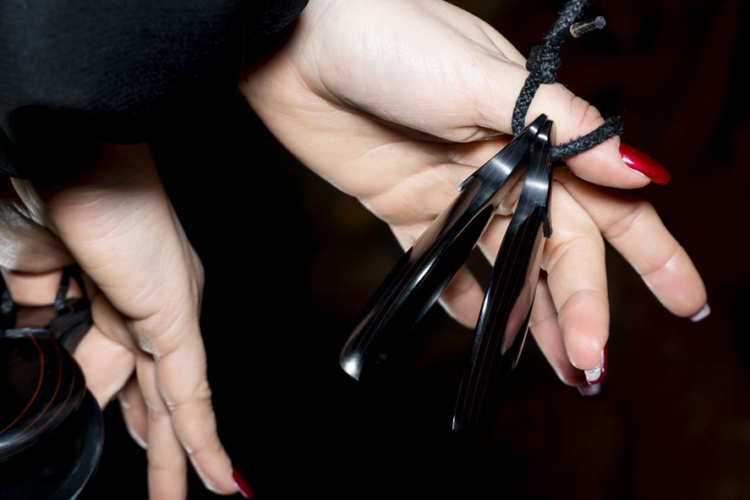
If you’ve ever felt the floor tremble beneath your feet in a tablao, you’ve experienced the true nature of flamenco. It’s not just music — it’s a collision of perfectly orchestrated sounds. Many people make the mistake of thinking flamenco begins and ends with the guitar, but the reality is far more complex: it’s a system where silence carries as much weight as sound.
What instruments are used in flamenco?
Flamenco is a living ecosystem. It is built on three pillars: singing, dancing, and guitar playing — all intertwined through an instrumentation that has evolved from the austerity of the bare voice to today’s rich rhythmic landscape. To understand it, you must see it as a visceral conversation where instruments don’t just accompany — they shape the emotion.
The elements that make up this “orchestra” are:
- The flamenco guitar (the harmonic core)
- Handclapping (the human metronome)
- The flamenco cajón (the deep heartbeat)
- Physical percussion: castanets and footwork
Flamenco guitar: the foundation of the sound
The guitar is undoubtedly the protagonist, but it is not a conventional classical guitar. Unlike its concert counterpart, the flamenco guitar is built to respond with aggression and speed to the artist’s impulse.
It is made from light woods such as cypress to produce a bright and dry sound. In flamenco, we are not looking for notes that fade gently into the air; we seek a percussive attack that dialogues directly with the dancer’s footwork. Techniques such as rasgueo and alzapúa give it that unique texture, making the flamenco guitar, in essence, a percussion instrument with strings.
Palmas: the rhythm of flamenco
In flamenco, the body is the most versatile and oldest instrument. Palmas are not just festive accompaniment — they are a mathematical discipline that supports the entire structure of the singing.
There are two main types:
- Muted palmas: produced with cupped hands to create a deep sound that supports the singer without overpowering.
- Sharp palmas: bright and cutting, used to inject energy in high-intensity moments such as bulerías or alegrías.
Flamenco cajón: rhythm and compás
It’s hard to believe that the flamenco cajón has only been part of the tradition since the late 1970s. It was the genius Paco de Lucía who brought it from Peru after discovering how perfectly its dry sound fit the Andalusian rhythm.
Today, the cajón is the engine that drives the performance. Its ability to produce deep bass and sharp highs allows the guitar to step back from rhythm and soar melodically. It is, quite literally, the glue between dance and guitar.
Other flamenco instruments
Although guitar and cajón dominate the stage, flamenco is enriched by other elements that provide depth and color.
Voice and jaleo
The voice is the original and most difficult instrument to master. It does not seek technical perfection, but emotional truth. Alongside it are the jaleos — shouts like “olé!” or “toma!” which are not decorative, but signals that energize the performance.
Percussion and physical expression
Dance brings its own instrumentation. Castanets add a rhythmic clicking that mimics the heartbeat, while footwork transforms the dancer into a highly precise percussionist. Flamenco is not just danced — it is struck into the floor.
How instruments come together in a flamenco show
The real magic happens in live flamenco shows in Madrid. There, instruments do not follow a rigid score, but an ancestral system of shared signals.
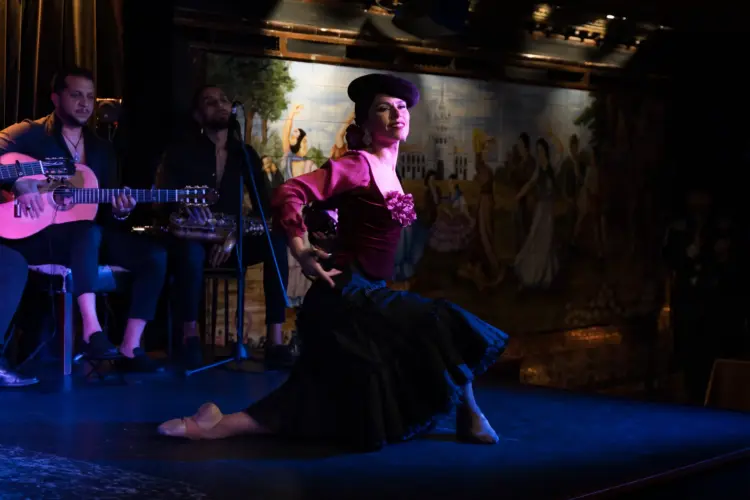
In a tablao, integration is total: the guitarist watches the dancer’s feet, the palmero listens to the singer’s breathing, and the cajón emphasizes every accent. It is controlled improvisation, where one mistake could stop the entire performance. Watching this fusion live is understanding why flamenco is far more than music — it is one of the most sophisticated and raw forms of human communication.
Featured posts
Flamenco shows

From 13 to 18 October
José Maya on stage at Tablao Flamenco 1911
This week, one of the most powerful names in contemporary flamenco shines once again on our stage: José Maya.
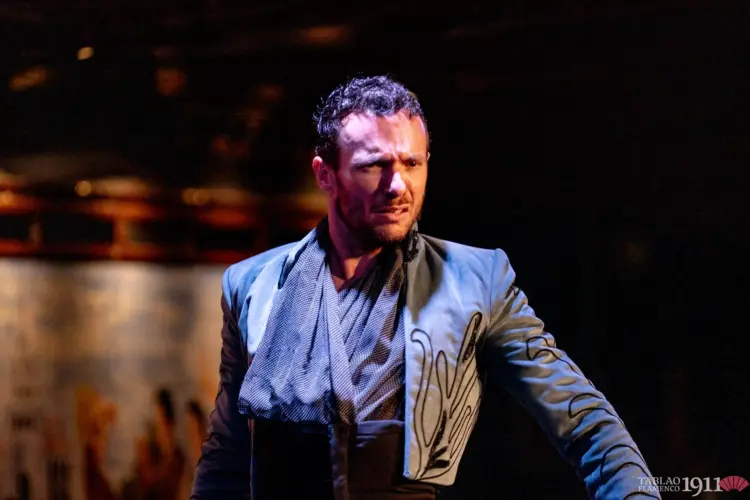
12 October
Juan Carlos Avecilla: the force of Cádiz in the Cathedral of Flamenco
Only the greats set foot on the oldest stage in the world. The force of Cádiz in Juan Carlos Avecilla, just a couple of metres from you.
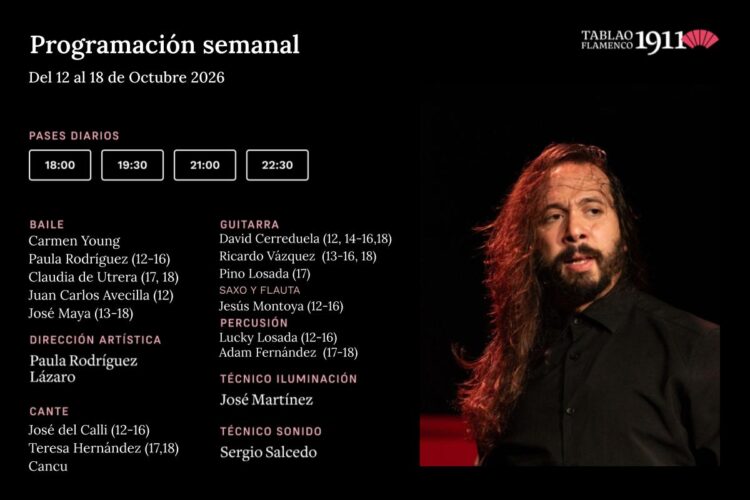
From 12 to 18 October
Flamenco Madrid Daily Show
This week, our flamenco ensemble renews itself to offer you an experience full of nuances and overflowing talent.
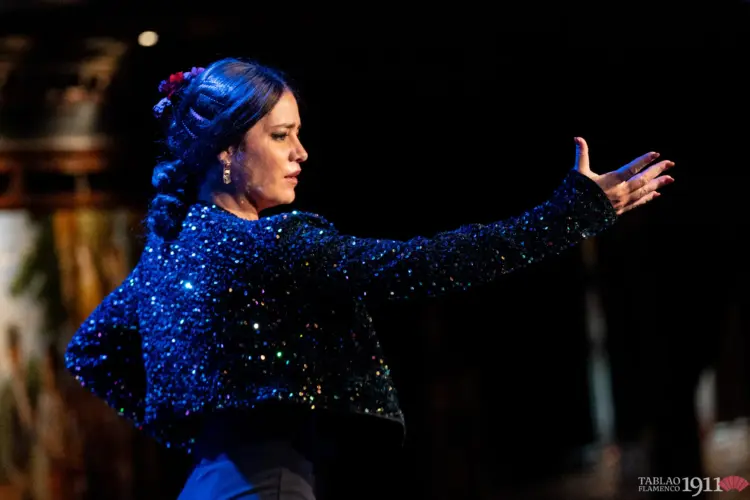
From 12 to 18 October
Carmen Young: elegance turned into dance at Tablao 1911
She crossed an ocean to learn to dance flamenco. Today she dances it with an elegance that can't be taught.
From 12 to 16 October
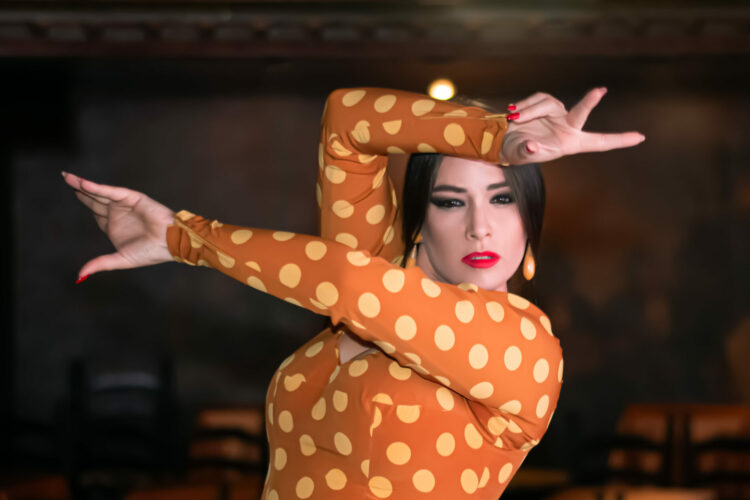
Paula Rodríguez returns to 1911
Paula Rodríguez, pure passion, strength, and elegance!
From 17 to 18 October
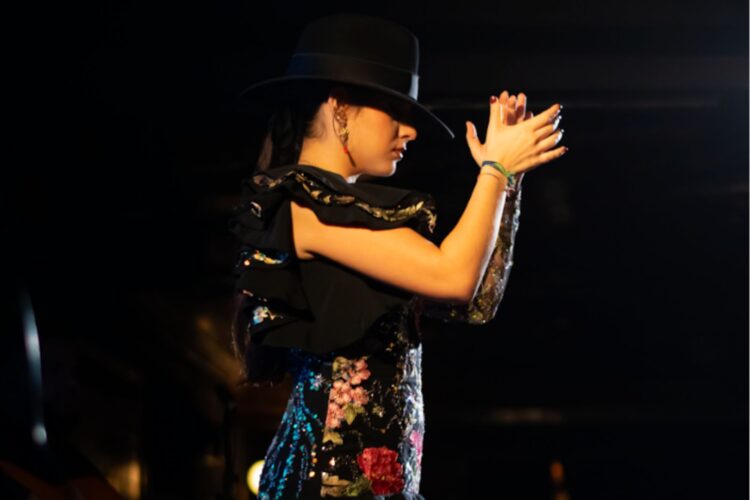
The Old Soul of a New Talent: Claudia de Utrera
We invite you to discover the strength and maturity of Claudia de Utrera, a dancer who proves that art