La Soleá: The Soul of Traditional Flamenco
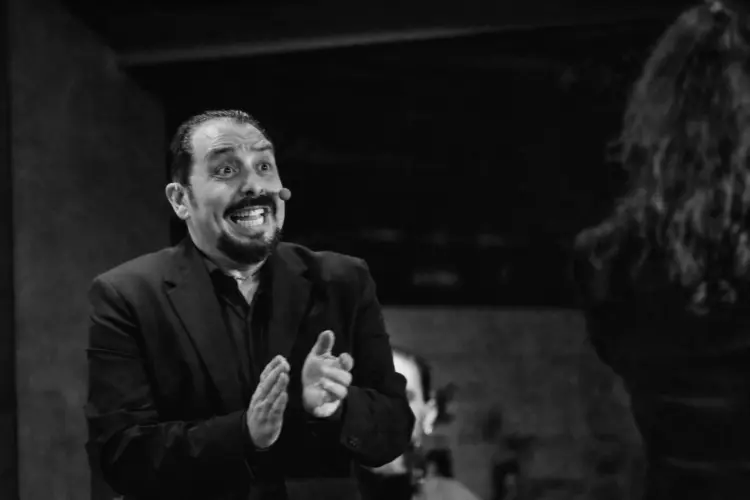
If flamenco were a cathedral, the Soleá would be its foundation. There is no palo more respected or more feared. It is known as the “mother of song” and occupies a central place among the flamenco palos that move us today. It is the mirror where the artist seeks their own truth.
Forget unnecessary ornaments. Keep reading and discover why the soleá is the ultimate acid test and the purest heartbeat of all arte jondo.
What is the soleá in flamenco?
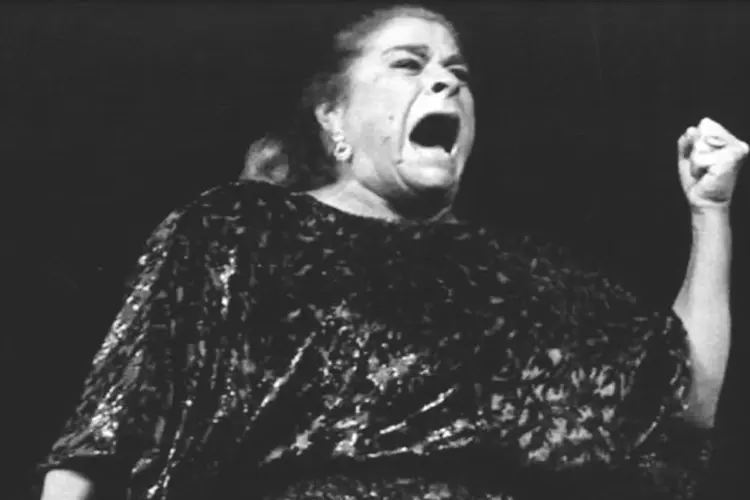
Forget the party and the noise. The soleá is pure introspection. Its name comes from “soledad” (solitude), and that is exactly what it conveys: a profound feeling that is born from the soul to become light in the voice.
It is the flamenco palo par excellence. Here there is no room for artifice; only depth (jondura) matters. It is a song that is listened to with a clenched heart because every verse is a real confession of life, love, or disappointment.
The origin of the soleá
To find its roots, you have to travel to the nineteenth century. It was born in the “golden triangle” formed by Cádiz, Jerez, and Seville, evolving from the old jaleos and the songs of the Andalusian gypsies.
What started as an accompaniment for the dance soon became a concert piece. It gained in complexity and dramatic charge over time, until it became the most solid and respected musical structure of the entire flamenco tradition.
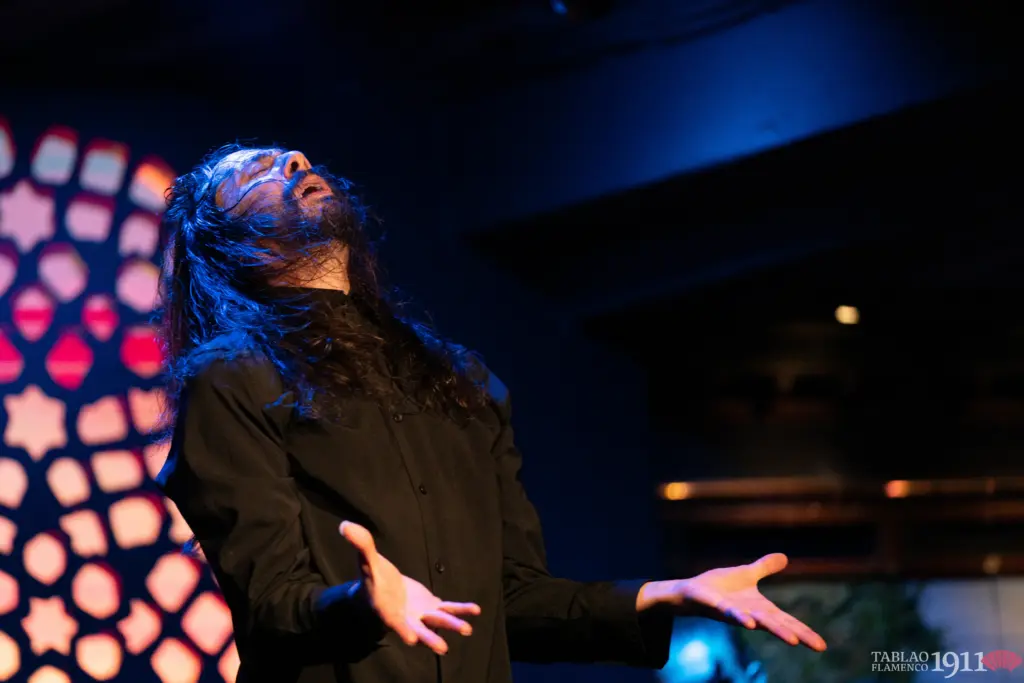
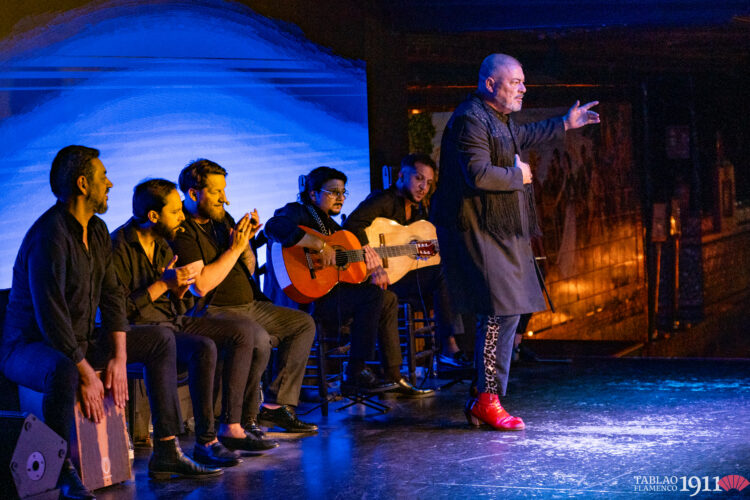
José Maya performing “soleá” on the stage of Tablao Flamenco 1911.
Structure and compás of the flamenco palo soleá
The soleá is a clock of emotional precision. It is governed by a twelve-beat compás with a slow and heavy cadence, which demands absolute control of breath and rhythm from the artist.
In those silences between beat and beat lies the real difficulty: knowing how to hold the time so that the feeling reaches the audience without rushing. It is not about running, but about stopping time in the room with a single rhythmic intention.
The role of singing, playing, and dancing in the soleá
In the soleá, the flamenco group (cuadro) is a single being. The cantaor exposes their pain with short but immense verses. The guitarist, with a sober touch, knows when to be quiet to let the voice shine.
And the bailaora or bailaor, with slow movements and powerful desplantes, interprets with their body the weight of the story being told. It is a dialogue of respect where the zapateado is the meaningful response to the lament of the strings.
Types of soleá in flamenco
There is not just one way to feel it. Throughout history, the masters have left their mark on unique regional variants.
From the sobriety of the soleares of Triana to the strength of Alcalá or the rhythmic air of Jerez. Each one has its own nuance, but they all share the same DNA of purity. Understanding these variants is learning to distinguish the accents of the geography of flamenco feeling.
But don’t just settle for reading about it. If you are looking to experience the impact of this art live, we await you in our flamenco tablao in Plaza Santa Ana. Let the soleá envelop you in the place where tradition is breathed in every corner.
Featured posts
Flamenco shows
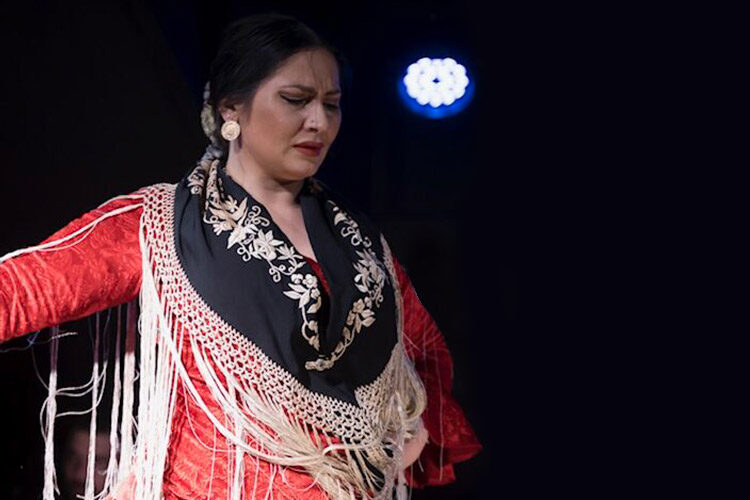
From April 13 to April 19
The Power of Flamenco Lineage at Tablao 1911: Karime Amaya!
Karime, the constant precision of the meter and the elegance of flamenco dancing.
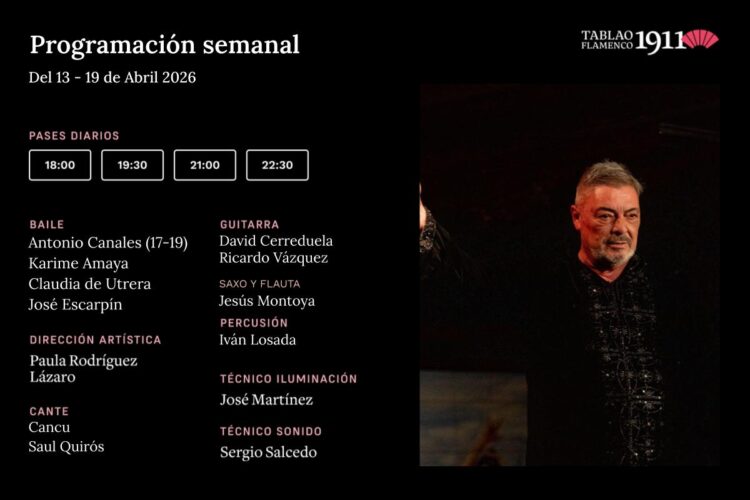
From April 13 to April 19
Flamenco Madrid Daily Show
This week, our flamenco ensemble renews itself to offer you an experience full of nuances and overflowing talent.
From April 17 to April 19
Antonio Canales at Tablao 1911 at 9:00 PM and 10:30 PM
The Master returns. Antonio Canales at Tablao Flamenco 1911.
From April 13 to April 19
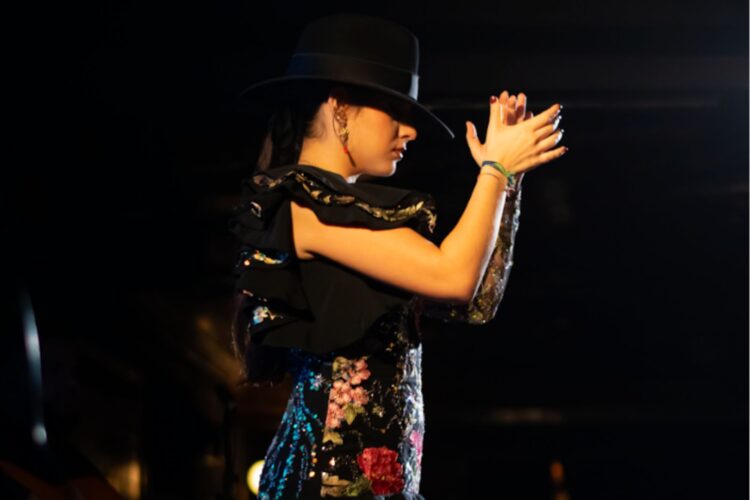
The Old Soul of a New Talent: Claudia de Utrera
We invite you to discover the strength and maturity of Claudia de Utrera, a dancer who proves that art
From April 13 to April 19
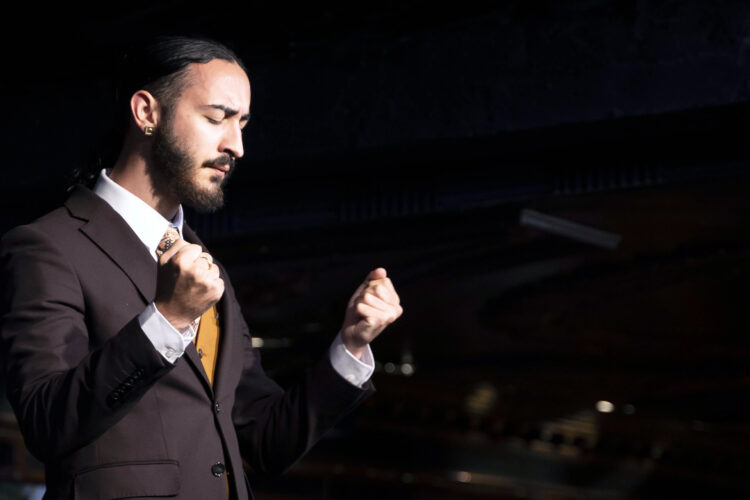
José Escarpín and his Guinness World Record at Tablao Flamenco 1911
The Guinness World Record of flamenco arrives at the oldest flamenco tablao in the world: Tablao Flamenco 1911.